Why Centella Asiatica is a Holy Grail Ingredient in Korean Skincare


Centella asiatica has taken the skincare world by storm, and for good reason. It’s earned the nickname “Cica” and is a go-to ingredient for soothing, hydrating, and healing the skin. But what makes it so effective? This article dives deep into its history, the science behind its benefits, how it compares to other popular skincare ingredients, and why it’s a staple in Korean beauty routines. We’ll also answer some commonly asked questions at the end to help you make the most of this dermal treasure.
Introduction to Centella Asiatica
Origins, History, and Cultural Significance
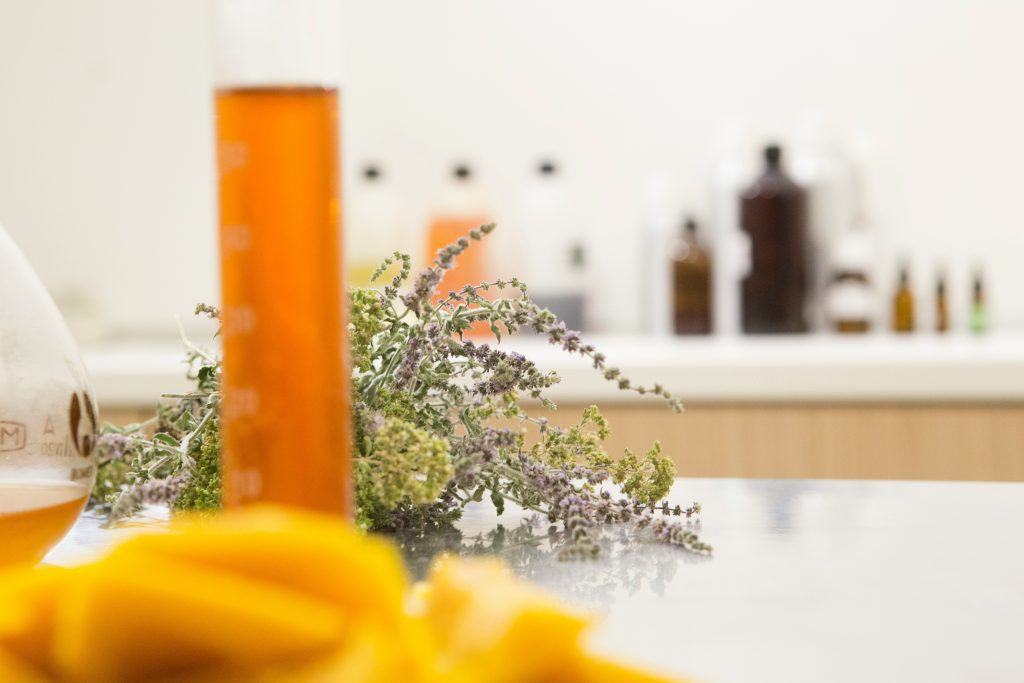
Centella asiatica, also known as Gotu Kola, is a herbaceous plant native to Asia, often found in wet, tropical regions of India, Sri Lanka, and South Korea. Revered for its medicinal properties for centuries, it is a staple in traditional medicine such as Ayurveda and Traditional Chinese Medicine. Known as “Brahmi” in Sanskrit, Centella asiatica has been used to heal wounds, improve circulation, and enhance longevity.
Its use in skincare is no recent development. Historically, Centella asiatica was applied topically to soothe burns and minor wounds. Modern science has since validated these practices, with its potent anti-inflammatory and healing properties being central to its value in skincare.
The Science Behind Centella Asiatica
Key Compounds and Their Benefits
Centella asiatica owes its magic to a few key bioactive compounds, particularly madecassoside, asiaticoside, madecassic acid, and asiatic acid. Here’s what makes these compounds standout skincare powerhouses:
| Compound | Benefit | Why It Matters |
|---|---|---|
| Madecassoside | Anti-inflammatory and soothing | Reduces redness and irritation from acne or eczema |
| Asiaticoside | Stimulates collagen production | Helps repair skin barrier and improve elasticity |
| Asiatic Acid | Anti-aging and antioxidant properties | Protects against environmental damage |
| Madecassic Acid | Supports wound healing and hydration | Encourages faster recovery and seals in moisture |
Scientific research has repeatedly reinforced Centella asiatica’s benefits. For example, a study published in the Journal of Medicinal Plants Studies (2018) found that the plant accelerates wound closure and improves skin elasticity.
A Quick Look at its Benefits for Skin:
- Healing acne scars and blemishes
- Reducing redness caused by irritation or rosacea
- Minimizing the appearance of fine lines and wrinkles
- Restoring the skin barrier for dry, dehydrated complexions
Comparison with Other Popular Skincare Ingredients
Centella asiatica is often compared to other popular skincare ingredients. Here’s how it stacks up in a side-by-side analysis:
| Ingredient | Main Benefits | Best Use Case | Centella’s Distinction |
|---|---|---|---|
| Aloe Vera | Hydration, cooling, calming | Sunburned or inflamed skin | Superior healing and anti-aging effects |
| Hyaluronic Acid | Intense hydration, plumping | Dry, dehydrated skin | Offers additional soothing and repair |
| Retinol | Anti-aging, increases cell turnover | Fine lines, acne scars | Gentler alternative for sensitive skin |
Unlike retinol, Centella asiatica is non-irritating, making it a favorite for sensitive skin. While aloe vera excels at immediate hydration, Centella provides long-term benefits like collagen stimulation.
Centella Asiatica in Korean Skincare Routines
Why It’s a K-Beauty Staple
Step into the world of Korean skincare, and you’ll find Centella asiatica headlining many of their bestselling products. Known as “Cica,” it’s found in everything from cleansers and toners to masks and creams. Korean beauty brands like COSRX, Dr. Jart+, and Etude House have formulated products around Centella’s soothing and revitalizing properties.
Why is Centella such a hit in Korean beauty?
- Korean skincare is rooted in prevention over cure, and Centella excels at maintaining healthy, irritation-free skin.
- Products like “Cica Creams” have become cult favorites for calming redness and reducing acne scars.
- Its ability to gently reconstruct the skin barrier appeals to those practicing multi-step skincare regimens.
How to Use It:
If you’re new to incorporating Centella asiatica into your routine, start small. Try a soothing toner or serum at night, followed by a moisturizer for hydration.
Q&A Guide
Common Questions Answered by Experts
Q1: Is Centella asiatica suitable for all skin types?
Yes! It’s particularly beneficial for sensitive, acne-prone, or dry skin but is gentle enough for all skin types.
Q2: Can I use Centella asiatica with retinol?
Absolutely. Centella can complement retinol by soothing potential irritation and supporting hydration.
Q3: Are there side effects to using Centella asiatica?
Side effects are rare, but patch-test any product to ensure you don’t have a sensitivity to it.
Q4: How long does it take to see results?
With consistent use, noticeable improvements in redness and hydration can appear within two weeks.
Q5: Can it help reduce acne scars?
Yes! Its collagen-boosting properties promote skin regeneration and can gradually fade scars.
A Glimpse into the Future of Skincare
Centella asiatica isn’t just a trendy ingredient—it’s a timeless treasure with proven benefits. With its healing, soothing, and anti-aging properties, it’s no wonder this herb is taking center stage in skincare routines worldwide.
Looking ahead, expect more innovative formats, such as Centella-infused sheet masks, sunscreens, and even ingestible supplements, ensuring the ingredient’s revered legacy continues.
Are you ready to experience the benefits of Centella asiatica for yourself? Explore Centella-based products that can transform your skin.