Tackling Wrinkles and Dry Skin At An Early Age

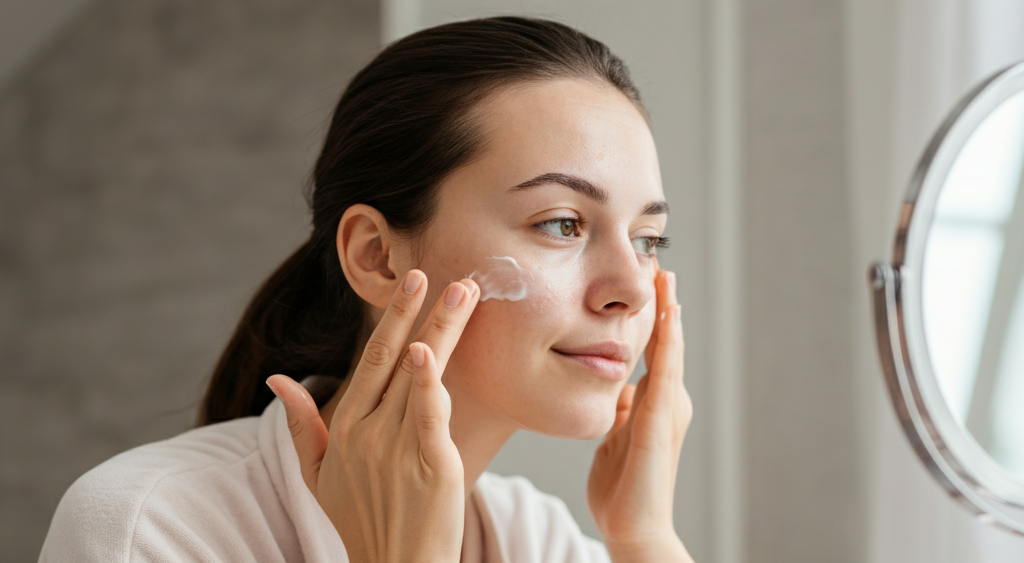
Noticing fine lines in your early twenties may feel alarming, but it’s actually more common than you think. Factors like dehydration, sun exposure, and lifestyle habits often cause the first signs of wrinkles, rather than deep aging. With the right skincare approach, you can address these concerns and keep your skin healthy and radiant. If you have dry skin and can’t tolerate hyaluronic acid or niacinamide, don’t worry—there are plenty of alternatives to tailor a routine that works for you.
Step-by-Step Skincare Routine
1. Cleansing
Your Isntree Yam Cleanser is an excellent choice for dry skin, as it’s gentle and nourishing. Stick with this and double-cleanse only if you wear heavy sunscreen or makeup. Over-cleansing can strip your natural oils and exacerbate dryness.
2. Toning
The Tony Moly Mochi Toner sounds hydrating, but consider layering it with something that has beta-glucan or panthenol for additional moisture. These ingredients are great for soothing and hydrating skin without causing irritation.
3. Moisturizing
The Isntree Yam Moisturizer is already working well for you, so keep it as your base. For an extra boost, add a few drops of squalane oil or a ceramide-rich cream on top. These ingredients lock in hydration and strengthen your skin barrier, which is crucial for combating dryness and fine lines.
4. Targeted Treatments
Since hyaluronic acid and niacinamide are off the table, consider peptides instead. Peptides help with collagen production, keeping your skin plump and reducing the appearance of fine lines. Look for a peptide serum or cream that’s formulated for dry, sensitive skin.
Antioxidants like vitamin C can also protect your skin from environmental stressors that contribute to wrinkles. If your skin is sensitive, try a gentle vitamin C derivative like magnesium ascorbyl phosphate.
5. Sun Protection
Your Skin1004 sunscreen is already a fantastic choice. Be diligent about applying it every morning and reapplying throughout the day if you’re outdoors. Sunscreen is your best defense against premature wrinkles.
6. Weekly Treatments
Exfoliating once a week with a mild lactic acid product can help slough off dead skin cells and keep your skin smooth. Just avoid overdoing it, as too much exfoliation can worsen dryness or sensitivity. Treat your skin gently, and always follow up with a moisturizer afterward.
Lifestyle Tips for Reducing Wrinkles
Beyond skincare, small lifestyle changes can make a big impact on your skin’s health. Here are a few tips to keep in mind:
- Stay hydrated by drinking plenty of water each day.
- Sleep on your back to avoid creasing your skin.
- Switch to a silk or satin pillowcase to reduce friction overnight.
- Avoid excessive facial movements, like squinting, by wearing sunglasses when outdoors.
- Eat a balanced diet rich in antioxidants, like fruits and vegetables, to nourish your skin from within.
Q&A Section
1. Can dry skin cause wrinkles?
Yes, dehydrated and dry skin can make fine lines more visible. Keeping your skin well-moisturized can reduce their appearance.
2. What are the best alternatives to niacinamide and hyaluronic acid?
Peptides, ceramides, squalane, beta-glucan, and panthenol are excellent options for hydrating and strengthening dry, sensitive skin.
3. How often should I exfoliate if I have dry skin?
Once a week is usually enough for dry skin types. Opt for a gentle chemical exfoliant like lactic acid.
4. Are facial oils good for dry skin?
Yes, oils like squalane or jojoba can be great for sealing in moisture without clogging pores.
5. Do I need a separate eye cream for wrinkles?
Not necessarily—a good moisturizer or peptide serum can work just as well around your eyes.
6. Can I reverse wrinkles that have already formed?
While you can’t completely erase wrinkles, you can reduce their appearance with good hydration, sunscreen, and ingredients like peptides and antioxidants.
7. Is vitamin C safe for sensitive skin?
Yes, but look for gentle derivatives like magnesium ascorbyl phosphate if you’re worried about irritation.
8. Should I use sunscreen even if I’m indoors?
Absolutely! UV rays can penetrate windows, so daily sunscreen is a must.
9. How long does it take to see results from a new routine?
It typically takes 4–6 weeks of consistent use to notice visible changes, but some products (like moisturizers) offer immediate hydration benefits.
10. Do lifestyle habits really make a difference?
Yes, staying hydrated, eating well, and protecting your skin from the sun all contribute to healthier, younger-looking skin.