Understanding your skin type before starting Korean skincare

The world of Korean skincare has taken the beauty industry by storm, and for good reason. Its meticulous focus on hydration, nourishment, and long-term skin health has won over millions globally. But before jumping headfirst into the famed 10-step Korean skincare routine, it’s essential to understand what your skin truly needs. Knowing your skin type—whether it’s normal, dry, oily, combination, or sensitive—is the foundation of a successful routine tailored for you.
Here’s everything you need to know before starting your Korean skincare adventure!
Understanding Your Skin Type
What Are the Main Skin Types?
- Normal Skin: Well-balanced skin with minimal imperfections and no major concerns. Rarely feels too oily or too dry.
- Dry Skin: Lacks hydration, often feeling tight or flaky, especially after cleansing.
- Oily Skin: Produces excess sebum, leading to shiny skin and more visible pores.
- Combination Skin: Exhibits traits of both oily and dry skin, often with an oily T-zone (forehead, nose, chin) and dry cheeks.
- Sensitive Skin: Prone to redness, irritation, or reactivity from certain ingredients or environmental factors.
How to Identify Your Skin Type at Home
- The Bare-Faced Method:
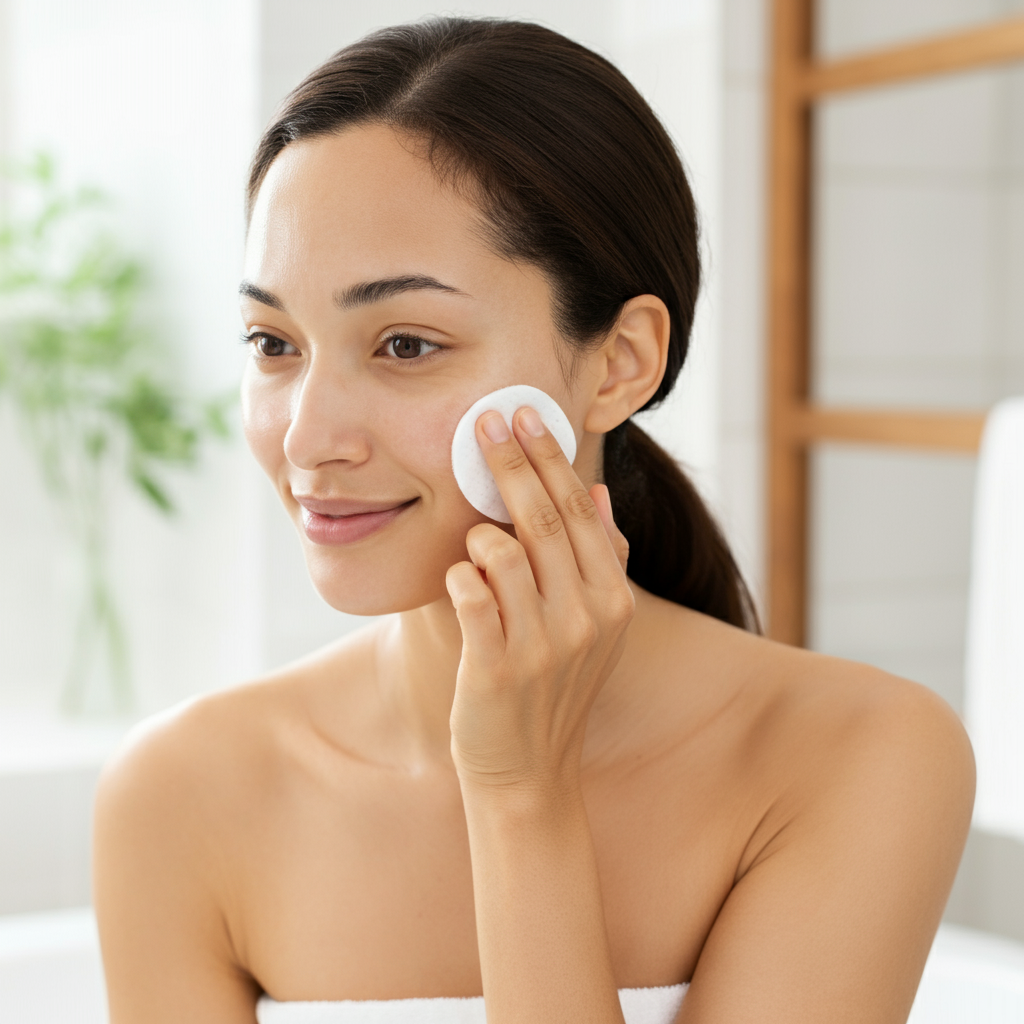
- Cleanse your face with a mild cleanser and pat it dry.
- Avoid applying any skincare products for 2-3 hours.
- Observe how your skin feels:
- Tight or flaky areas? Likely dry skin.
- Shiny, oily spots on the T-zone or entire face? Likely oily or combination.
- No major dryness or oiliness? Likely normal skin.
- The Blotting Paper Test:
- Gently press blotting paper on different areas of your face.
- Minimal oil = dry or normal skin.
- Oil on the T-zone only = combination skin.
- Oil on the entire face = oily skin.
The Basics of Korean Skincare Principles
Korean skincare focuses on enhancing your skin’s natural health through gentle, hydrating, and nourishing steps. Here’s a quick breakdown of the routine’s key principles:
- Double Cleansing: Starts with an oil-based cleanser to remove makeup, sunscreen, and excess sebum, followed by a water-based cleanser to clean deeper.
- Exfoliation (1-2 times a week): Removes dead skin and promotes cell renewal.
- Toning: Balances your skin’s pH levels and preps it for the next steps.
- Essence: A lightweight formula that hydrates and enhances absorption of other products.
- Serums and Ampoules: Target specific skin concerns, such as acne, fine lines, or hyperpigmentation.
- Sheet Masks (weekly): Infuse the skin with concentrated hydration and nutrients.
- Moisturizer: Locks in hydration and protects the skin’s barrier.
- Sunscreen (morning): Shields your skin from harmful UV rays to prevent premature aging.
This routine is flexible, so you can adapt it based on your skin type and current concerns.
Tailoring Korean Skincare to Your Skin Type
Here’s how to adjust the Korean skincare routine for different skin types and some recommended products to get started:
Normal Skin
- Routine Focus: Maintenance and hydration.
- Product Recommendations:
- Oil Cleanser: Banila Co Clean It Zero
- Moisturizer: Belif The True Cream Aqua Bomb
- Sunscreen: Klairs Soft Airy UV Essence SPF 50
Dry Skin
- Routine Focus: Deep hydration and preventing moisture loss.
- Product Recommendations:
- Essence: Cosrx Advanced Snail 96 Mucin Power Essence
- Moisturizer: Laneige Water Bank Moisture Cream
- Sheet Mask: Dr. Jart+ Ceramidin Mask
Oily Skin
- Routine Focus: Sebum control and hydration balance.
- Product Recommendations:
- Toner: Some By Mi AHA-BHA-PHA 30 Days Miracle Toner
- Serum: iUNIK Tea Tree Relief Serum
- Sunscreen: Missha All Around Safe Block Aqua Sun Gel SPF 50
Combination Skin
- Routine Focus: Balance hydration for oily and dry areas.
- Product Recommendations:
- Cleanser: Neogen Green Tea Real Fresh Foam Cleanser
- Essence: Benton Fermentation Essence
- Moisturizer: Etude House Soon Jung 2x Barrier Intensive Cream
Sensitive Skin
- Routine Focus: Avoiding irritation and strengthening the skin barrier.
- Product Recommendations:
- Cleanser: Krave Beauty Matcha Hemp Hydrating Cleanser
- Toner: Klairs Supple Preparation Unscented Toner
- Sheet Mask: Mediheal Tea Tree Care Solution mask
Remember, skincare is personal. Always patch-test new products to ensure they suit your skin.
Q&A Section
Q1. How long does it take to see results from a Korean skincare routine?
Results can differ based on your concerns and skin type. Generally, you’ll notice hydration and plumpness within days, but addressing issues like acne or dark spots may take 4-6 weeks.
Q2. Can I skip steps in the Korean skincare routine?
Absolutely! The routine’s strength is its flexibility. Start with the basics (cleanser, toner, moisturizer, sunscreen) and add steps like serums or masks as you go.
Q3. What if I experience breakouts with a new product?
It could be a sign of purging (your skin adjusting to the product) or sensitivity. Check the ingredient list and give your skin 2-3 weeks before deciding if it’s working for you. If irritation persists, discontinue use.
Q4. Is double cleansing necessary if I don’t wear makeup?
Yes! Double cleansing helps remove sunscreen, dirt, and excess oil, ensuring your skin is fully clean before applying other products.
Q5. What’s the difference between essence and serum?
Essences are lightweight and focus on hydration, while serums are thicker and target specific concerns like wrinkles, acne, or pigmentation.
Final Thoughts
Starting a Korean skincare routine can be a game-changer, but understanding your skin type is the first step to achieving glowing, healthy skin. Tailor each step to your skin’s needs, and take your time to experiment with what works best for you.