Troubleshooting Your Korean Skincare Routine
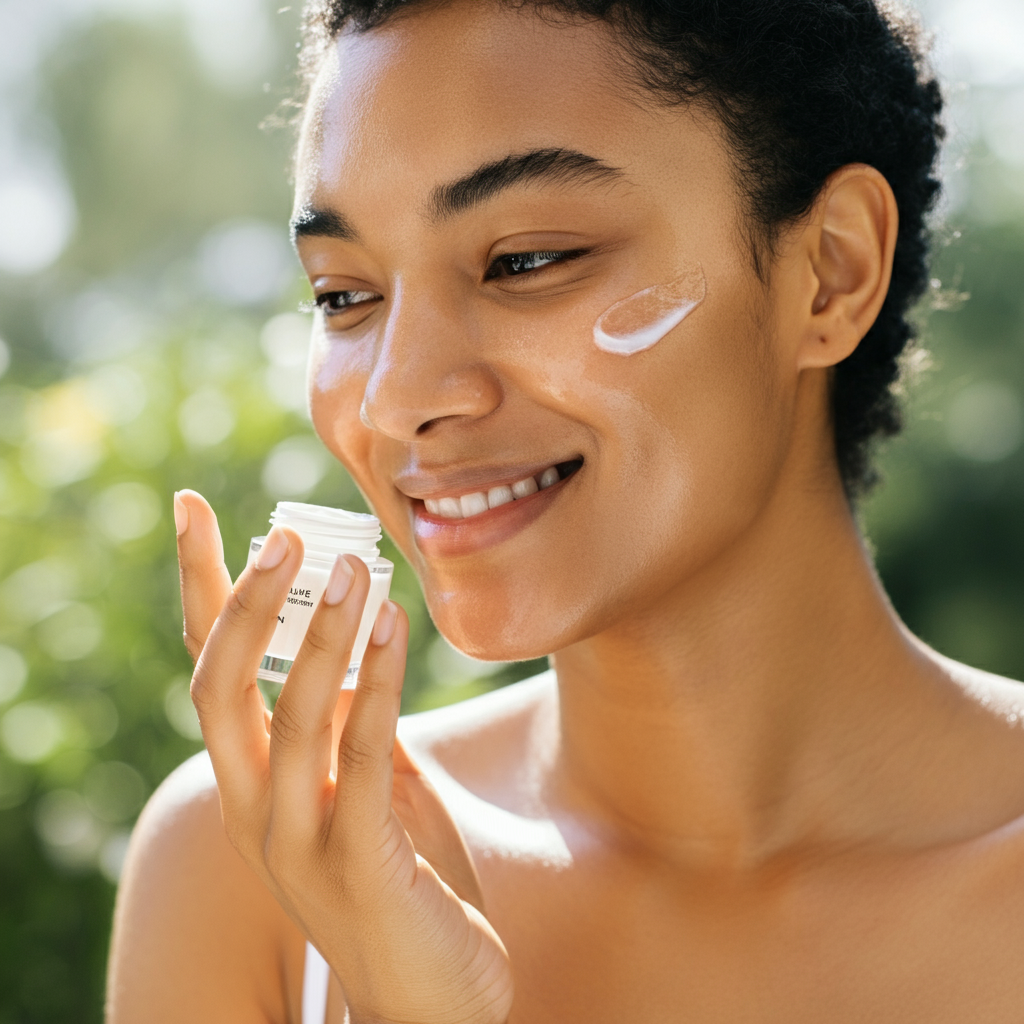
Starting with Korean skincare can feel like entering a whole new world of beauty and self-care. With its innovative products, thoughtful formulations, and glowing success stories, it’s no wonder many turn to it for answers to their skincare woes. However, for some, the transition isn’t as smooth. If you’re currently struggling with breakouts, irritation, or worsening skin after starting your Korean regimen, you’re not alone. Let’s explore what might be going on, how to address it, and how to create a routine that works for your skin.
An Introduction to Korean Skincare
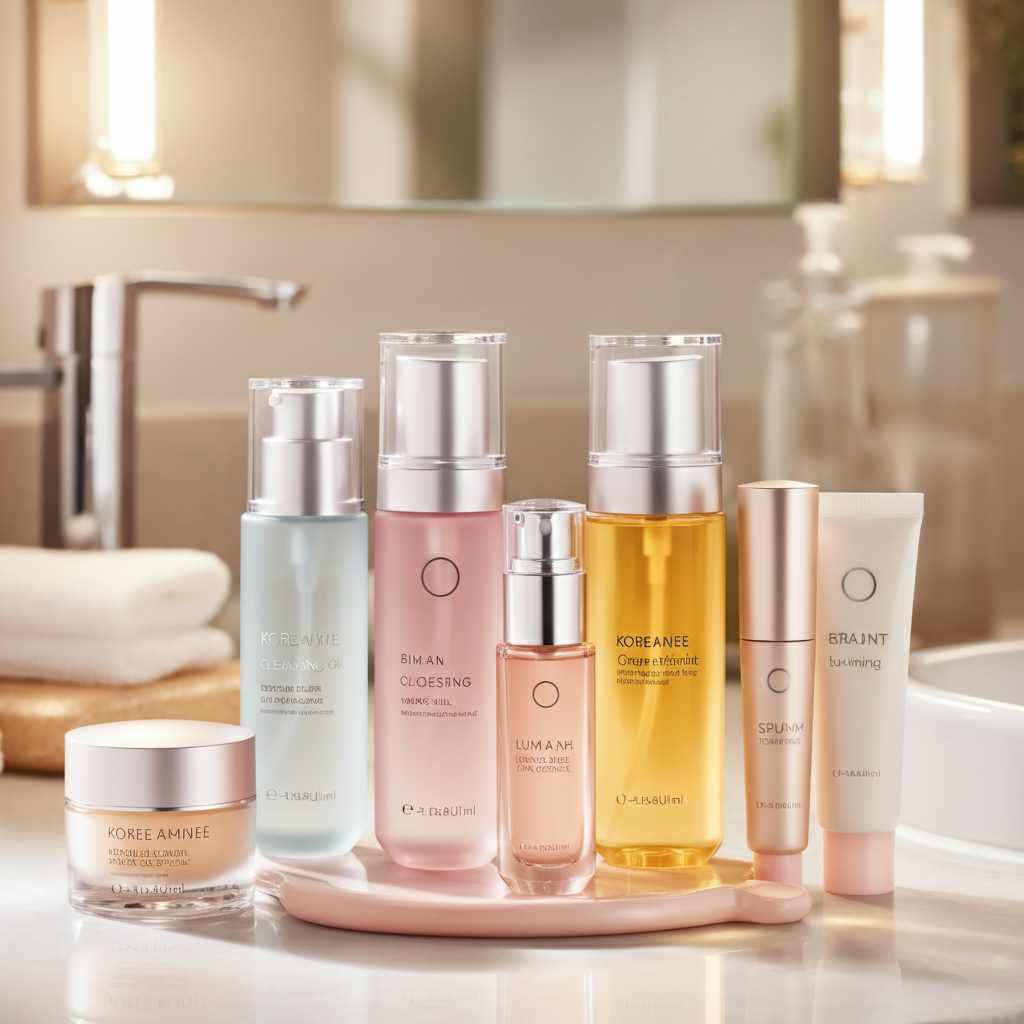
Korean skincare is all about layering lightweight, effective products for optimal hydration and skin health. Its focus on prevention over correction, hydrating ingredients, and popular techniques like double cleansing have earned it fans worldwide. Typically, routines may include steps like oil cleansing, water-based cleansing, toning, essence application, serums, and moisturizers. However, more isn’t always better, and understanding your skin’s unique needs is crucial.
The key question when your skin worsens after starting Korean skincare is whether your new routine is causing purging, a reaction, or if there are other factors at play.
Why Is My Skin Worse? Possible Factors
1. Is It Purging or a Reaction?
When introducing active ingredients like AHAs, BHAs, or retinoids, your skin may go through a purging phase. This is when hidden clogs beneath the surface come to light, making your skin seem worse before it gets better.
On the other hand, if you’re reacting poorly to products due to sensitizing or incompatible ingredients, the situation is different. Here’s a quick breakdown:
| Criteria | Purging | Reaction |
|---|---|---|
| Cause | Active ingredients increasing cell turnover | Sensitizing or incompatible ingredients |
| Timeline | 4-6 weeks before improvement | Gets worse with continued use |
| Symptoms | Breakouts in usual spots, minor flaking | Redness, irritation, new breakouts in unusual areas |
Action Step: If purging, give your skin time (up to 6 weeks). If it’s a reaction, stop the offending product immediately.
2. Overuse or Layering Too Many Products
Using too many new products at once can overwhelm your skin’s barrier, leading to irritation, increased oiliness, or breakouts. With a multi-step K-beauty routine, this is a common culprit.
Action Step: Pare your routine back to basics—cleanser, moisturizer, and sunscreen. Once your skin stabilizes, reintroduce products one at a time.
3. Environmental Factors
Your skin’s behavior changes with your environment. Moving to a hotter and more humid climate like Australia can increase oil production and alter how your products perform.
Action Step: Opt for lightweight, gel-based moisturizers and non-comedogenic, mattifying sunscreens to adapt to the weather.
4. Incorrect Product Choices
While you’ve been careful in selecting fungal acne-safe and non-pore-clogging items, sometimes even well-curated products can falter based on individual skin needs. For instance, a heavy cream may work well for dry winters but could be too occlusive for a humid summer.
Action Step: Research product formulations and match them to your current skin type and climate. Ingredients to look out for include niacinamide (to manage oil) and hyaluronic acid (for hydration without heaviness).
Troubleshooting Your Routine
Here’s a step-by-step guide to reset and refine your Korean skincare routine:
Step 1. Simplify
Strip your routine to essentials—a gentle gel cleanser, lightweight moisturizer, and sunscreen. This will calm your skin and prevent further irritation.
Step 2. Patch Test
When introducing products, patch test on your inner wrist or behind your ear. Wait 24-48 hours to check for any reaction before applying it to your face.
Step 3. Introduce Gradually
Reintroduce products one at a time over 2-3 weeks. Monitor how your skin reacts to each step.
Step 4. Adjust According to Climate
Swap heavy creams with gel creams or emulsions and try mattifying sunscreens to suit humid climates.
Step 5. See a Dermatologist
If your skin doesn’t improve or worsens significantly, consider consulting with a dermatologist to rule out underlying conditions or determine your skin’s needs.
Frequently Asked Questions (Q&A)
Q1. How do I know if my skin is purging?
If you’re breaking out in areas where you’ve previously had clogged pores or if you’re using active exfoliants (like AHAs or BHAs), your skin might be purging. However, if it persists beyond 6 weeks or you develop irritation like redness and bumps in new areas, it’s likely a reaction.
Q2. What are the best Korean products for combination skin in hot climates?
Look for lightweight, hydrating products like Etude House SoonJung Hydro Barrier Cream or COSRX Hydrium line. Opt for sunscreens like Beauty of Joseon Relief Sun, which is non-greasy and great for oily or combination skin.
Q3. Is it okay to skip certain steps in a Korean skincare routine?
Absolutely! Korean skincare isn’t about doing all the steps every day but finding the right combination for your skin. Start minimal and scale up as needed.
Q4. How can I manage oily skin caused by hot weather?
Introduce niacinamide (balancing sebum production) or lightweight mattifying products. Stick to gel cleansers and non-comedogenic moisturizers.
Takeaway
Starting a Korean skincare regimen is an exciting step, but it can be a learning experience too. Troubleshooting begins with understanding your skin’s needs and making adjustments based on how it reacts. Simplify, patch test, and slowly build up to a routine that helps your skin thrive.
Remember, skincare is a marathon, not a sprint. Don’t be discouraged—your dream skin is achievable with a little patience and experimentation.