The Influence of the Korean Diet on Skincare
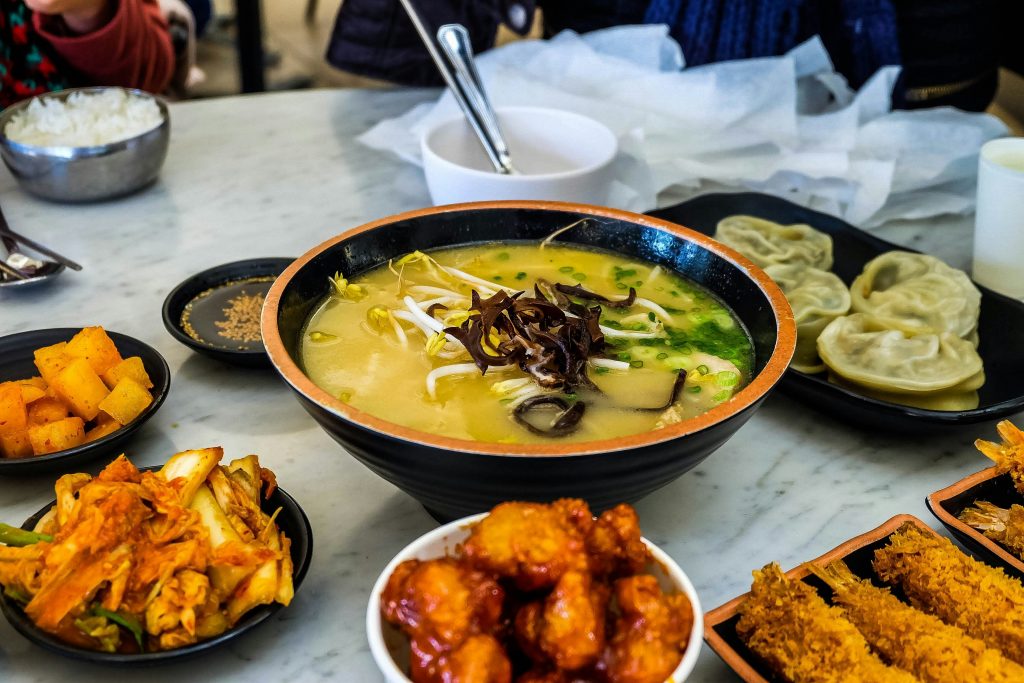
The world has been abuzz with the rise of K-beauty, but have you considered the role that the Korean diet plays in achieving that enviable radiant skin? While Korean skincare products have become household favorites, much of Korea’s beauty secret actually lies on the plate. The Korean diet is celebrated not only for its delicious and balanced flavors but also for its nutritious impact on overall health—and skin health in particular. This blog will explore how incorporating elements of traditional Korean cuisine can elevate your skincare game, supported by research, comparisons, and actionable tips.
The Basics of the Korean Diet
The Korean diet, rooted in tradition, emphasizes fresh vegetables, fermented foods, lean proteins, and healthy fats. It steers away from processed foods and focuses on a variety of natural ingredients that are packed with nutrients beneficial for overall wellness.
Key Components of the Korean Diet:
- Kimchi (fermented vegetables): High in probiotics, vitamins, and antioxidants.
- Gochujang (fermented chili paste): Adds flavor without the need for unhealthy condiments.
- Seaweed: Rich in iodine and minerals that support healthy skin.
- Soybean-based Foods (e.g., tofu and doenjang): Packed with protein and essential amino acids.
- Bone Broth (e.g., samgyetang): Known for collagen, which enhances skin elasticity.
Research has shown that long-term adherence to the Korean diet is associated with reduced inflammation, better gut health, and a glowing complexion, making it an integral part of holistic beauty practices.
Nutritional Benefits for the Skin
What makes the Korean diet so good for skin health? Its ingredients promote anti-aging, hydration, and protection against environmental irritants that harm your skin.
How the Korean Diet Supports Skin Health:
- Probiotics from Fermented Foods
Kimchi, miso, and fermented soy are rich in good bacteria that promote gut health. A healthy gut directly correlates with balanced, clear skin.
- Antioxidants in Vegetables and Seaweed
Antioxidants reduce oxidative stress caused by UV rays and pollution. Seaweed, in particular, contains fucoxanthin—an antioxidant known for its anti-inflammatory effects.
- Hydration and Collagen from Bone Broth
Traditional soups and broths provide collagen, which strengthens skin and reduces wrinkles, while their high water content hydrates from within.
- Healthy Fats from Sesame and Perilla Oils
These oils are excellent for keeping skin hydrated, supple, and glowing by providing omega-3 fatty acids and linoleic acid.
- Low Glycemic Index Foods
Korean food avoids spikes in blood sugar, which can contribute to inflammation and acne.
Influence on Beauty Trends
The Korean diet’s emphasis on skin-boosting foods has set the tone for many global beauty trends. Skincare brands worldwide are now focusing on “inside-out beauty,” with supplements and functional foods inspired by the Korean approach. Companies have even introduced skincare ranges infused with ingredients like seaweed and fermented extracts, mirroring dietary staples.
This holistic connection between diet and skincare boosts the demand for multifunctional products that work seamlessly with diet to promote radiant skin, reinforcing the philosophy that beauty begins within.
Did You Know…?
Here are some fascinating facts and research-backed insights about the Korean diet’s influence on skincare:
- Kimchi and Acne Control: A 2016 study in the Journal of Medicinal Food found that probiotics in kimchi reduce the severity of acne by balancing gut bacteria.
- Collagen Benefits: Research published in Skin Pharmacology and Physiology indicates collagen improves skin hydration and elasticity within eight weeks of regular consumption.
- Bone Broth for Skin: A study in the Journal of Nutrients highlighted the role of collagen-based foods in reducing signs of aging, particularly wrinkles.
- Seaweed Power: A compound in seaweed, fucoidan, has been shown to protect against UV-induced oxidative damage (Marine Drugs Journal).
Comparison Table: Korean Diet vs Other Diets for Skin Health
| Feature | Korean Diet | Mediterranean Diet | Western Diet |
|---|---|---|---|
| Probiotics | High (e.g., Kimchi) | Moderate | Low |
| Collagen Sources | Bone broth | Rarely included | Not prioritized |
| Processed Foods | Minimal | Minimal | High |
| Antioxidant Content | Very high | High | Low |
| Omega-3 Fats | Moderate | High | Low |
| Impact on Skin Health | Glow-enhancing | Good | Poor; contributes to inflammation |
Q&A Guide
Q1. How can I incorporate Korean foods into my daily life?
Start small! Incorporate kimchi alongside your meals or enjoy soups like miso or bone broth to reap their benefits.
Q2. I’m vegetarian. Can I follow the Korean diet?
Absolutely! Substituting meat-based broths with seaweed or soybean broth allows vegetarians to enjoy similar benefits.
Q3. Can eating kimchi help with acne?
Yes, thanks to its probiotics! Consuming kimchi regularly can balance gut bacteria and reduce skin inflammation, which often leads to acne breakouts.
Q4. How does diet affect my current skincare routine?
Combining a nutrient-dense diet like the Korean diet with skincare products strengthens your overall skin health, creating robust protection against aging and environmental damage.
Q5. Are any Korean diet ingredients available as supplements?
Yes! Collagen supplements and probiotic blends are widely available and can provide similar benefits for skin health.
Recommended Products
To complement the Korean diet, here are some skincare products to incorporate into your routine:
| Product | Key Ingredient | Best For Skin Type | Main Benefit |
|---|---|---|---|
| COSRX Snail Mucin | Snail Extract | All Skin Types | Hydration and Repair |
| Thank You Farmer Rice Cream | Rice Extract | Dry, Sensitive | Brightening and Hydration |
| Innisfree Green Tea Serum | Green Tea Extract | Oily, Combination | Antioxidant-rich Hydration |
| Klairs Vitamin C Serum | Vitamin C | Dull, Aging Skin | Collagen Boost & Brightening |
| Sulwhasoo Overnight Mask | Ginseng and Honey | Dry, Dull Skin | Nourishment and Glow |
Conclusion
The connection between the Korean diet and radiant skin is undeniable. By including nutrient-rich, skin-boosting ingredients into your daily meals, you can enjoy not just a healthy body but also glowing, youthful skin. Pairing this diet with targeted skincare products amplifies results, bringing you one step closer to achieving the much-coveted “glass skin” of Korean beauty.
Are you ready to transform your skincare routine from the inside out? Start incorporating elements of the Korean diet today and witness the incredible benefits for yourself.