
Salmon PDRN vs. Plant-Based PDRN for Anti-Aging: Which is More Effective?

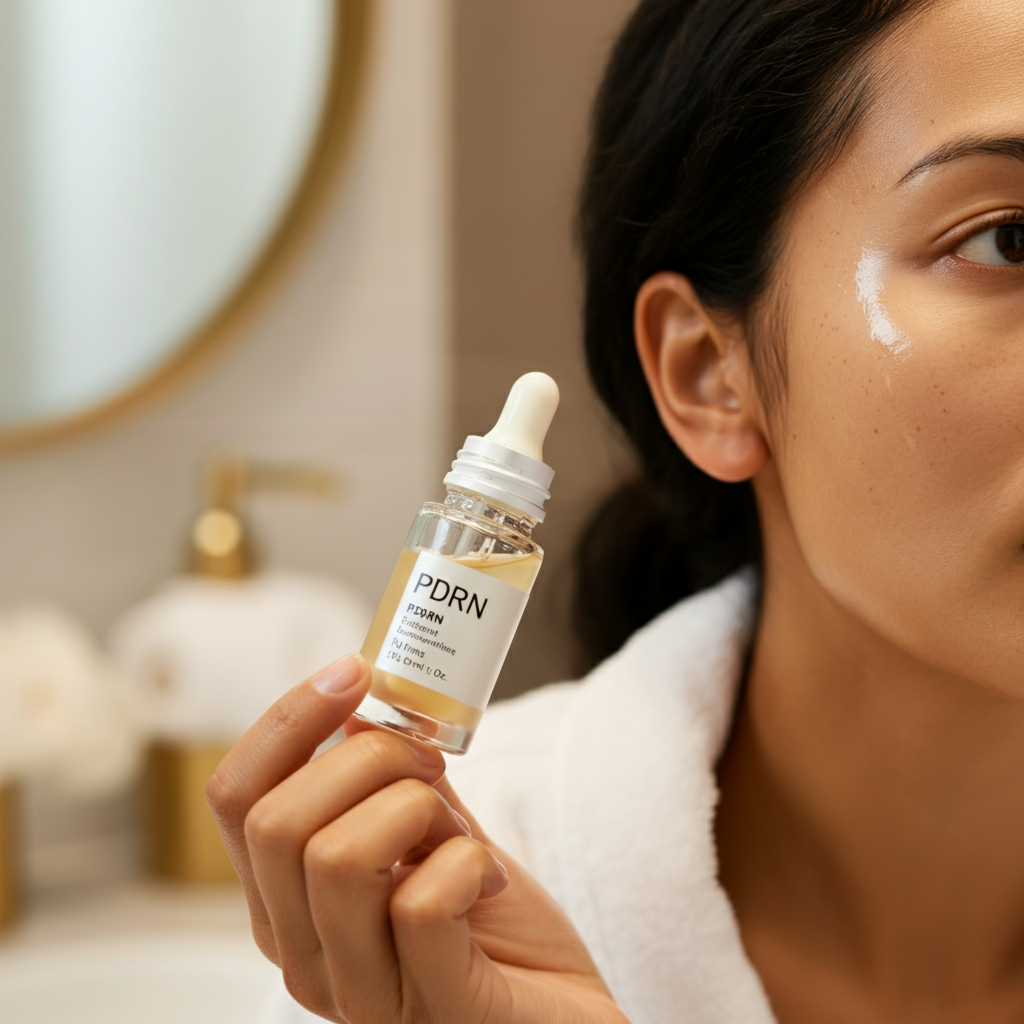
The world of skincare is always evolving, and one of the most talked-about advancements in anti-aging treatments is PDRN (Polydeoxyribonucleotide). Known for its skin-rejuvenating benefits, PDRN has become widely popular as a key ingredient in serums, ampoules, and even injectable treatments. However, there’s a current debate regarding the two types of PDRN available—Salmon-derived PDRN and Plant-based PDRN. Are they equally effective? Is the plant-based option worth the higher price tag? This guide explores these questions in detail, so you can make an informed decision.
What is PDRN?
PDRN is a DNA-derived compound that is prized in dermatology and skincare for its ability to regenerate damaged skin. It works by stimulating fibroblasts, the cells responsible for collagen production and tissue repair. With consistent use, PDRN can improve skin elasticity, reduce the appearance of fine lines and wrinkles, and enhance overall hydration.
Benefits of PDRN
- Skin Repair – Promotes the healing of damaged tissues and reduces redness or irritation.
- Collagen Boosting – Stimulates collagen synthesis to improve skin firmness.
- Hydration – Helps lock in moisture for plump, dewy-looking skin.
- Anti-Aging – Smooths fine lines and wrinkles over time.
- Brightening – Encourages skin cell turnover for a more radiant complexion.
While its results are not overnight, PDRN shows significant improvements with consistent use, making it a staple in anti-aging regimes.
Salmon PDRN vs. Plant-Based PDRN
Both types of PDRN offer similar promises, but they differ in origin, ethical considerations, and cost.
1. Salmon-Derived PDRN
Salmon PDRN is extracted from the DNA of salmon or salmon roe. It is the original form of PDRN and is widely used in the skincare market.
Benefits:
- Well-researched and proven effective for anti-aging.
- Supports skin repair and collagen production.
- Easily absorbed by the skin due to its compatibility with human DNA.
Ethical Considerations:
While salmon PDRN is highly effective, its sourcing involves animal products, which might not align with the preferences of vegans or those prioritizing cruelty-free skincare.
Cost:
Typically, salmon-based products are more affordable since the process of extracting and utilizing salmon DNA is well-established.
2. Plant-Based PDRN
This is the newer, vegan alternative to salmon-derived PDRN. Instead of using animal DNA, plant-based PDRN is created using bioengineering techniques to mimic the properties of the original.
Benefits:
- Provides the same skin-repairing and collagen-boosting qualities as salmon PDRN.
- Appeals to ethical consumers looking for cruelty-free solutions.
- Environmentally friendly production process.
Ethical Considerations:
Plant-based PDRN is free of animal-derived ingredients, making it a more sustainable and ethical choice.
Cost:
Products with plant-based PDRN tend to be pricier due to the advanced technology involved in producing it.
Comparison Table
| Type | Key Benefits | Ethical Considerations | Cost |
|---|---|---|---|
| Salmon PDRN | Proven skin repair, collagen boost | Contains animal-derived ingredients | Generally affordable |
| Plant-Based PDRN | Sustainable and ethical, same benefits | Vegan and cruelty-free | Higher price tag |
Is the Cost of Plant-Based PDRN Worth It?
For many consumers, the choice between salmon and plant-based PDRN comes down to personal values. If you prioritize sustainability, ethical practices, and vegan-friendly products, the higher cost of plant-based PDRN might be worth it. However, if you’re mainly looking for proven results on a budget, salmon-based products remain a reliable and effective choice.
Q&A Guide
Q1. Is salmon PDRN safe for sensitive skin?
Yes, salmon PDRN is generally well-tolerated and has been shown to reduce inflammation and redness. However, always patch-test any new product.
Q2. Does plant-based PDRN work as effectively as salmon PDRN?
Initial studies suggest that plant-based PDRN offers similar benefits, but it lacks the extensive research backing that salmon PDRN has.
Q3. Can I use PDRN products daily?
Most PDRN-based serums and creams are designed for daily use, but always follow the manufacturer’s instructions.
Q4. Are there any side effects to using PDRN?
PDRN is generally safe, but some individuals might experience mild irritation. Discontinue use if irritation persists.
Q5. Which type of PDRN is better for eco-conscious consumers?
Plant-based PDRN is the more sustainable and environmentally friendly option, making it ideal for eco-conscious individuals.
Final Thoughts
Both salmon PDRN and plant-based PDRN offer exciting possibilities in anti-aging skincare. Ultimately, your choice will depend on your budget, skin requirements, and personal ethics. While salmon PDRN provides tried-and-true results, plant-based PDRN opens the door for more environmentally friendly beauty choices. No matter which you pick, consistency in your skincare routine is key for seeing visible improvements.