What to Know About Post-Inflammatory Hyperpigmentation


Discover what PIH is and how to effectively manage it.
You’ve finally conquered that breakout—the redness is gone, your skin is smooth again, and there are no signs of scabs. But now, a stubborn brown spot has taken its place, refusing to fade after weeks. Congratulations (or not)—you’ve likely developed post-inflammatory hyperpigmentation.
What is Post-Inflammatory Hyperpigmentation?
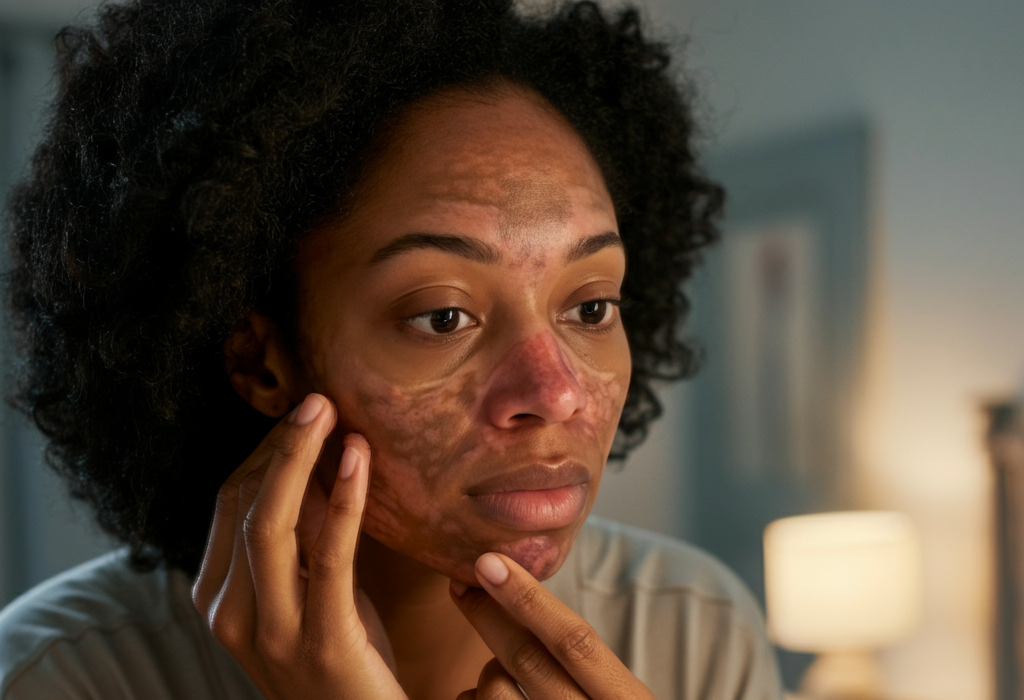
Post-inflammatory hyperpigmentation, or PIH, occurs when dark spots form on your skin following an inflammatory event or injury. This condition can follow a range of issues such as acne, eczema, burns, allergic reactions, or even advanced cosmetic treatments like chemical peels and laser resurfacing. PIH usually appears as brown, flat patches on the skin in areas where inflammation occurred.
For some, these marks disappear in a few weeks. For others, they can persist for up to two years, depending on factors like the severity of the inflammation and skin type. Darker skin tones and light-skinned Asians are particularly prone to PIH. Curious if you’re at risk? Check if your knuckles are darker than the rest of your skin—this could be an indicator.
How to Prevent PIH
Taking steps to prevent PIH is far easier than addressing it after the fact. Here’s how you can reduce your chances of developing these pesky spots.
1. Avoid Picking Your Skin
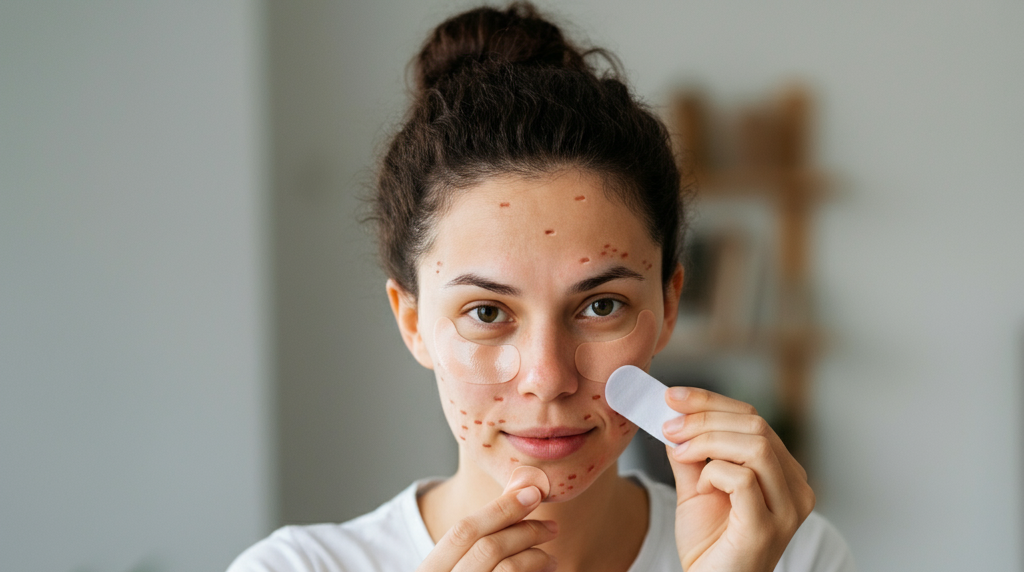
It might be tempting to pop that pimple or scratch an itch, but doing so spreads inflammation and worsens its severity. This makes PIH far more likely to develop—instead, stick to non-inflammatory treatments like salicylic acid or try hydrocolloid patches to heal breakouts gently.
2. Discuss PIH Prevention Before Cosmetic Treatments
If you’re planning an intensive procedure like a strong chemical peel, laser resurfacing, or surgery, talk to your dermatologist about preventative measures. Pre-treatment options like tretinoin can reduce pigment production ahead of time, minimizing the impact of any potential post-treatment hyperpigmentation.
3. Be Gentle with Irritating Skincare Products
Anti-aging champions like alpha hydroxy acids (AHAs) and retinol work wonders, but they can irritate your skin and trigger inflammation. To prevent this, introduce these actives gradually and limit yourself to one new product at a time. If irritation occurs, scale back immediately, especially if you have sensitive skin.
4. Make SPF Your Daily Essential
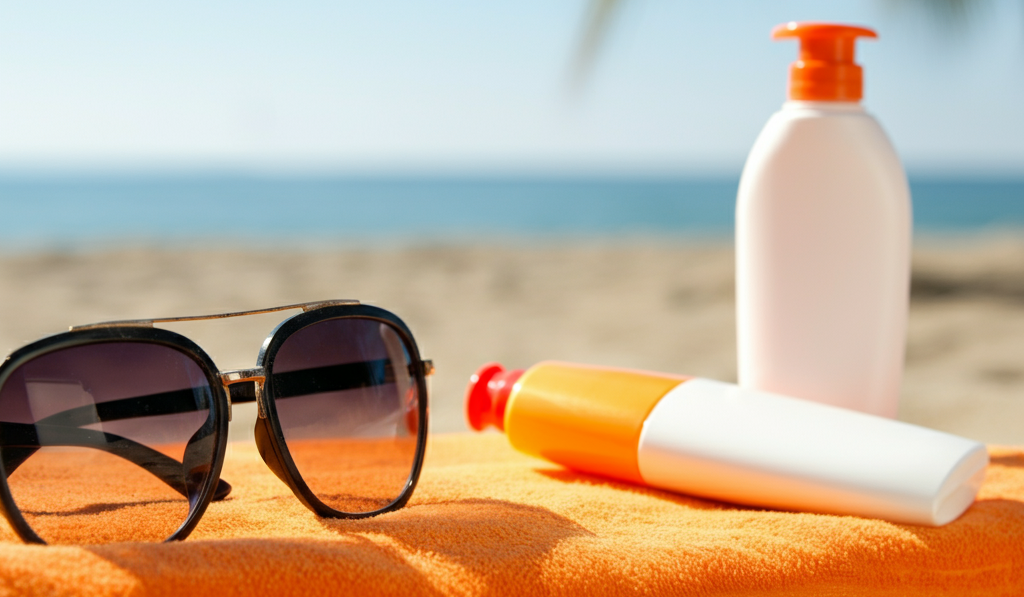
Sun exposure exacerbates pigmentation, making PIH much harder to fade. Protect your skin with a broad-spectrum sunscreen that offers UVA and UVB coverage. Double down by wearing hats and staying in the shade to shield problem areas from direct sunlight.
5. Target PIH with Non-Irritating Treatments
Scrubbing won’t make those dark spots disappear—it’ll only make things worse. Instead, focus on topical treatments designed for pigment reduction. Prescription options to discuss with your dermatologist include ingredients like tretinoin, azelaic acid, and mequinol. If you’re looking for over-the-counter solutions, try products with actives like vitamin C (ascorbic acid), licorice extract, kojic acid, or arbutin for safer, effective results.