Reviving Your Scalp Health: A Guide to Hydrating Scalp Products and Hair Care Routines

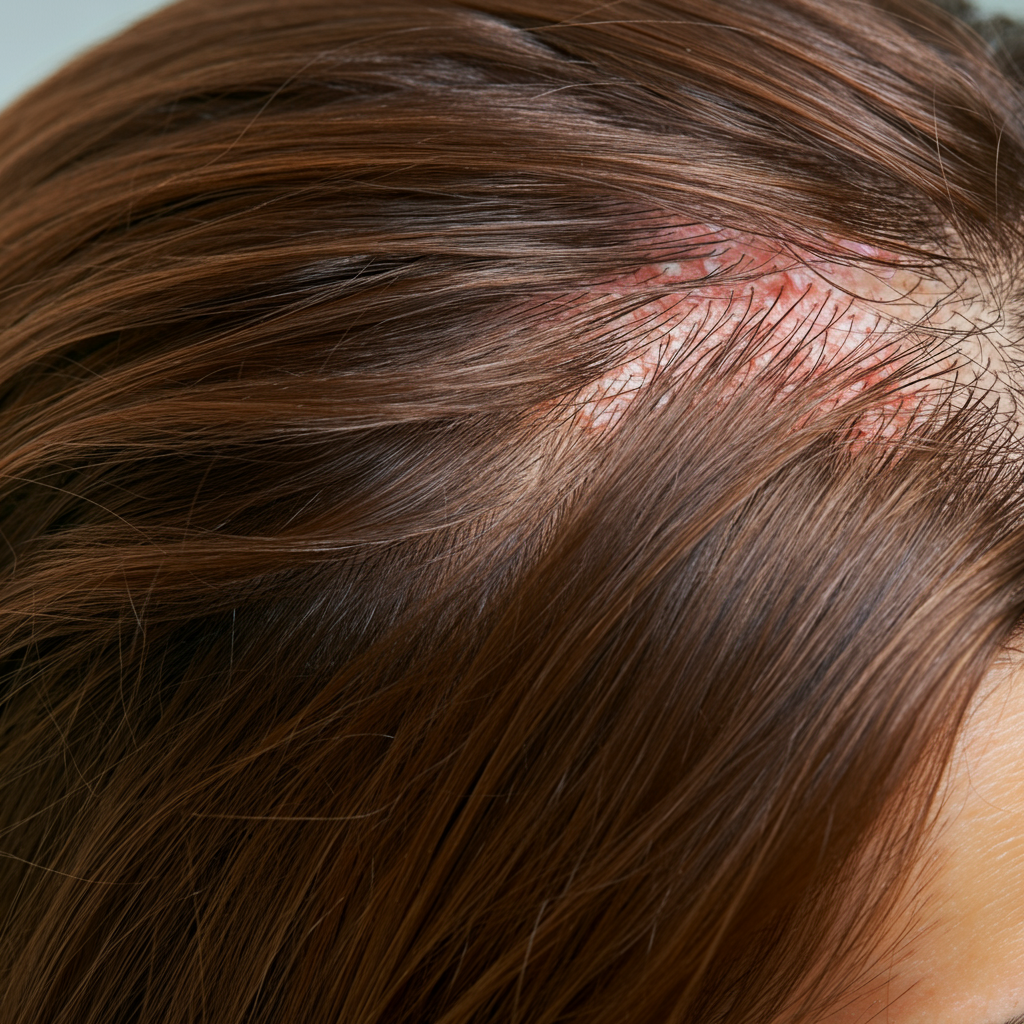
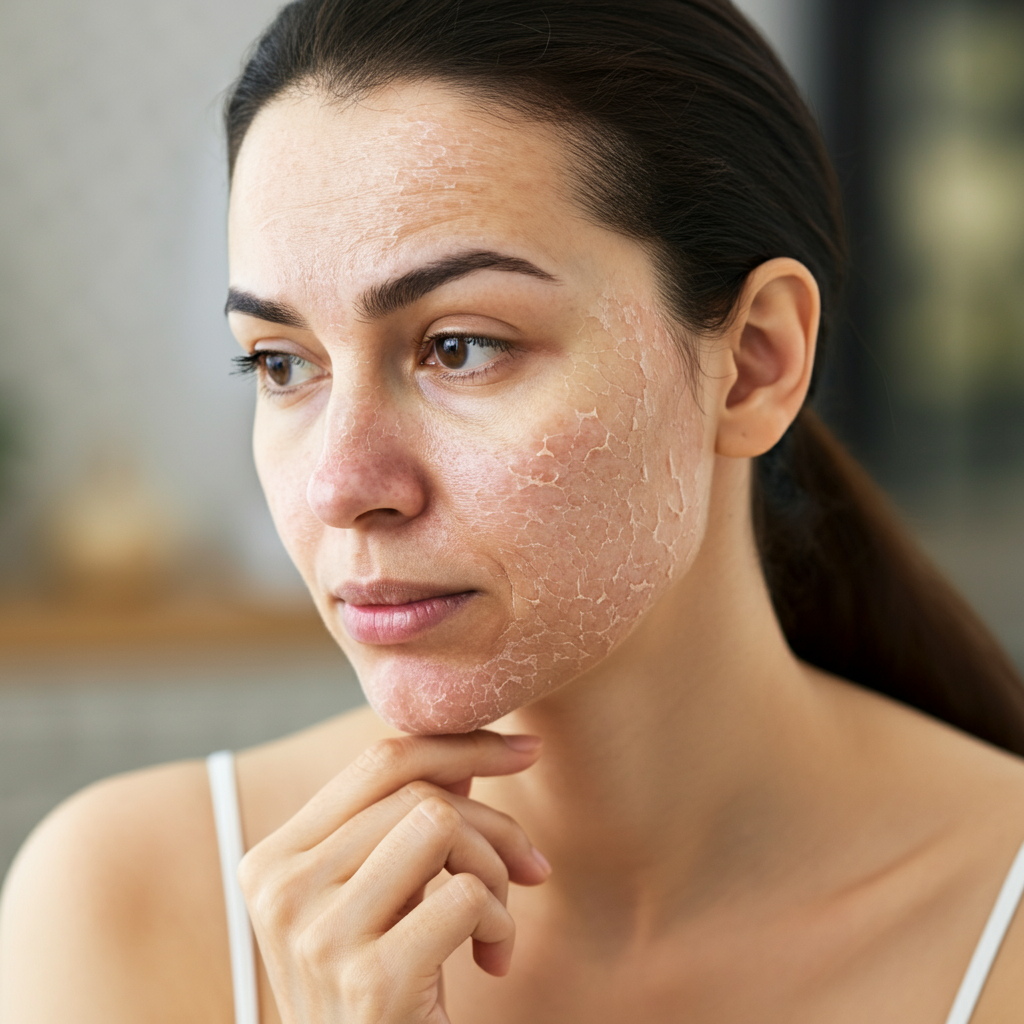
Dealing with an irritated, dry scalp can be quite the annoyance. When your scalp feels dry, tight, or itchy, it’s a clear signal that your skin’s moisture barrier isn’t performing as it should. However, add an oily scalp component to the mix, and things start to get confusing. How can your scalp be dry and oily at once? Surprisingly, this is more common than you’d think and happens because your scalp is trying to overcompensate for dryness by producing extra oil. The result? An imbalance that needs extra care to manage.
To help you out, this guide dives deep into tackling scalp dryness and introduces hydrating scalp products designed to replenish moisture and restore balance. With easy recommendations, a curated regimen, and a Q&A section to answer your top queries, you’ll have all the tools you need to achieve healthy, happy scalp skin.
Understanding Scalp Dryness
What Causes a Dry Scalp?
Several factors contribute to scalp dryness. Identifying these triggers will guide you toward finding solutions that work.
- Environmental Factors
Cold weather, dry air, or prolonged indoor heating can sap moisture from your scalp, leaving it dehydrated. - Overwashing
Frequent washing or using harsh shampoos can strip the scalp of natural oils, leading to dryness and irritation. - Poor Product Choice
Many hair care products contain sulfates, alcohol, or fragrances that irritate sensitive scalp skin. - Imbalanced Scalp Microbiome
Your scalp hosts a delicate balance of bacteria and fungi. Ingredients or products that disrupt this harmony often trigger irritation or dryness. - Stress and Hormonal Changes
Just like your face, your scalp reflects internal health. Stress and hormonal fluctuations can increase dryness or oiliness. - Age
Naturally, as we age, skin (including the scalp) loses moisture and elasticity.
Caring for a Dry Scalp
Once you recognize what’s causing your scalp dryness, the next step is customization. A healthy balance involves hydrating products, gentle cleansing, and avoiding excessive stripping.
Hydrating Ingredients to Look For
Hydrating scalp products are about replenishing moisture while soothing sensitivity. Here’s a breakdown of ingredients to seek out:
- Hyaluronic Acid – This powerhouse locks in hydration and seals moisture in the scalp.
- Panthenol (Pro-Vitamin B5) – A gentle nourisher, it repairs the skin barrier.
- Centella Asiatica – Also known as cica, this reduces redness, soothes irritation, and restores health.
- Aloe Vera – Calms inflammation and instantly hydrates while being lightweight.
- Glycerin – A classic humectant that attracts water into the scalp.
- Tea Tree Oil – Useful if itchiness accompanies dryness, thanks to its antimicrobial properties.
- Ceramides – Vital for rebuilding and strengthening the scalp’s natural lipid barrier.
Avoid These Ingredients
Some ingredients exacerbate dryness or irritation. Steer clear of these while treating your scalp:
- Sulfates (e.g. Sodium Lauryl Sulfate)
- Alcohol-based formulations
- Heavy oils that clog pores, like coconut oil (especially if you’re dealing with an oily scalp)
- Synthetic fragrances and dyes
Your Ideal Scalp Care Routine
Step 1. Start with a Gentle Cleanser
Scalp care begins with how we cleanse. Opt for sulfate-free shampoos that effectively remove dirt and build-up without stripping moisture.
- Try: Aromatica Tea Tree Purifying Shampoo – A gentle cleanser that soothes itchiness while balancing excess oil.
Step 2. Scalp Tonics or Serums for Daily Hydration
Scalp tonics act as lightweight lotions for the skin on your head. They hydrate without leaving sticky residue or weighing hair down.
- Try: Dr. Groot Intensive Scalp Essence, which delivers hydration and calming relief for those battling itching or tightness.
Step 3. Weekly Treatment Masks or Scalp Conditioners
If your scalp is severely dry, incorporating a weekly deep treatment helps lock in the extra hydration.
- Try: Nature Republic Argan Essential Deep Care Conditioner on your scalp (yes, scalp conditioners exist!).
Step 4. Minimize Overwashing
Wash your hair every other day instead of daily to preserve natural oils. Need freshness in between? Dry shampoos for scalps with hydrating properties (non-alcoholic) can help.
Step 5. Protect and Maintain
Seal hydration with nutrient-rich serums. They fortify the skin’s barrier and help maintain a long-term balance.
Recommended Products for Hydrating Scalps
Finding the right product can take time, but here’s a curated list of products across categories to make things easier.
Shampoos
- Aromatica Tea Tree Purifying Shampoo – Balances oil production while soothing irritation.
- Pyunkang Yul Scalp Scaling Shampoo – Cleanses deeply with no irritation to dry or itchy areas.
Scalp Tonics or Essences
- Dr. Groot Intensive Scalp Essence – Lightweight yet deeply hydrating.
- Mise-en-scène Perfect Scalp Essence – A refreshing option for instant scalp relief.
Treatment Masks
- Amore Pacific Scalp and Hair Mask for Dry Scalp – Combines scalp hydration with nourishing benefits for hair health.
Q&A Section
Q1. Should I apply scalp treatments daily?
It depends on the product—lightweight serums and tonics can be used daily. However, masks and intensive treatments are best used once or twice a week.
Q2. How long does it take to see results?
With consistent care, you may notice a reduction in itchiness and visible dryness within 1-2 weeks.
Q3. Can my hair products affect my scalp?
Yes, certain products like heavy hair oils or those with irritating ingredients can exacerbate scalp issues. Always read labels carefully!
Q4. Is it okay to use a conditioner on my scalp?
Specially formulated scalp conditioners are designed to hydrate without clogging pores. Avoid regular hair-only conditioners on the scalp.
Q5. Can I still color my hair if my scalp is dry?
It’s better to wait until the dryness subsides and your scalp fully heals to minimize further irritation.
Final Thoughts
Taking care of a dry scalp isn’t just about choosing hydrating products; it’s also about adopting consistent, gentle habits that nurture the skin barrier over time. By integrating thoughtfully selected Korean haircare products into your routine, you’ll enjoy both immediate and long-term relief.
Remember—progress doesn’t happen overnight, but every small step brings you closer to healthier, happier skin.