Your Guide to Chemical vs. Physical Exfoliation

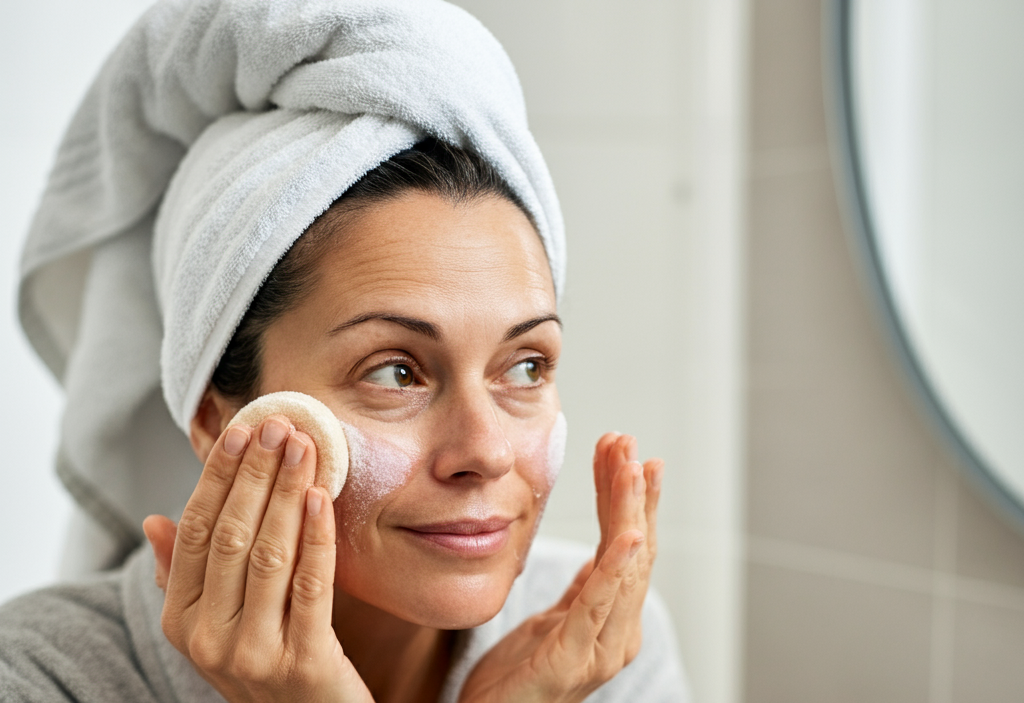
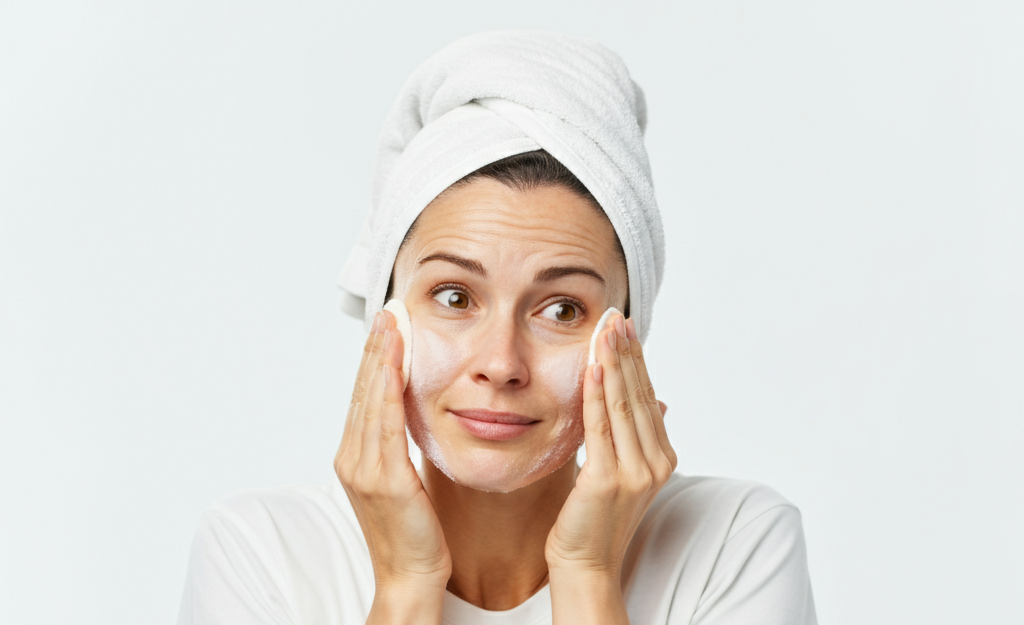
There’s nothing quite as satisfying as a good exfoliation session. Whether it’s with a sugar scrub or your favorite loofah, the end result—a silky-smooth glow—is undeniably addictive. It’s like your skin breathes a sigh of relief, thanking you for buffing away dead cells and leaving it refreshed. To keep that glow going strong, experts recommend exfoliating 1-2 times a week—just enough for clean, clear pores without overdoing it.
But not all exfoliation is created equal, and it’s possible to have too much of a good thing. The key is understanding the two main types of exfoliation—chemical and physical (manual). If you’re unsure which approach is best for you, we’ve got the breakdown to help you achieve your glow in the safest way possible.
Physical Exfoliation
Physical exfoliators are the classics—scrubs with tiny particles like sugar or beads, loofahs, or polishing brushes that manually remove dead skin cells. Their biggest appeal? Instant gratification. After a quick scrub session, you’re left with soft, smooth skin that feels awake and looks radiant. Plus, the massaging motion promotes circulation, resulting in a natural, rosy flush.
However, when it comes to physical exfoliators, less is more. Scrubbing too hard or too often can actually harm your skin, causing irritation, sensitivity, or even micro-tears that expose it to bacteria. Instead, be gentle—most scrubs do their job with light, circular motions.
Tools like facial brushes can also elevate your exfoliation game but require caution. Overuse or harsh bristles might over-polish the skin, leading to more harm than good. For a gentler option, consider a konjac sponge. These soft, biodegradable sponges work wonders for sensitive skin, offering a mild daily cleanse without irritation. Just remember to clean them thoroughly and replace them regularly to avoid bacteria buildup.
Chemical Exfoliation
When you hear “chemical exfoliation,” don’t be alarmed—this doesn’t mean you’re applying harsh chemicals to your face. Instead, it involves the use of low-concentration acids designed to dissolve dead skin cells, revealing a smoother, brighter complexion underneath. These products come in various forms, such as cleansers, toners, serums, and even moisturizers.
Chemical exfoliators are especially great for those with sensitive skin since they eliminate the risk of over-scrubbing. They are ideal for achieving a polished look without the abrasive particles found in physical exfoliants.
The secret lies in their key ingredients:
- AHAs (Alpha Hydroxy Acids): Perfect for those with normal to sensitive skin, AHAs like lactic acid and glycolic acid tackle uneven texture, sun damage, and pigmentation. They gently clear the skin’s surface, allowing healthy, new cells to take center stage.
- BHAs (Beta Hydroxy Acids): If you’re prone to blackheads, larger pores, or milia, BHAs like salicylic acid are your skin’s best friend. They penetrate oil and debris trapped deep in your pores, giving you a clearer, smoother appearance.
Both types of acids not only exfoliate but also boost your skin’s overall health. From stimulating collagen production to improving firmness and reducing fine lines, chemical exfoliators do double duty as both exfoliants and anti-aging heroes.
The Verdict
Choosing between physical and chemical exfoliation often comes down to personal preference and skin type. If you crave the sensory satisfaction of scrubbing, go for a gentle physical exfoliant. If you want a no-scrub solution that packs added skincare benefits, chemical exfoliators could be the perfect fit. Whichever you choose, remember to start slowly and listen to your skin to avoid overdoing it.
Happy exfoliating!