Chemical Toners vs. Exfoliants vs. Cleansers – What’s the Difference?


Demystifying Your Skincare Routine: Toners, Exfoliants, and Cleansers
The world of skincare is brimming with diverse products, each promising radiant skin. But when it comes to chemical toners, exfoliants, and cleansers with exfoliating properties, understanding the differences can feel a little overwhelming. Do they complement each other? Should all three be part of your routine? This guide breaks it down so you can make informed choices that work best for your skin type and goals.
What Is a Chemical Toner?
Purpose and Benefits
Chemical toners are lightweight, water-based products used after cleansing to refine your skin and help it absorb other skincare products. Many toners are enriched with mild chemical exfoliants, like AHAs or BHAs, making them a multitasking product for both exfoliation and hydration.
Why Use a Chemical Toner?
- Offers light, consistent exfoliation while maintaining skin’s hydration.
- Prepares the skin for better absorption of serums and moisturizers.
- Provides added skin benefits, such as brightening or targeting acne, depending on the formula.
Key Ingredients:
- Glycolic Acid (AHA): Boosts glow and fights dark spots.
- Salicylic Acid (BHA): Penetrates deeper into pores for acne control.
- Lactic Acid (AHA): Offers gentler exfoliation while moisturizing the skin.
How to Use It:
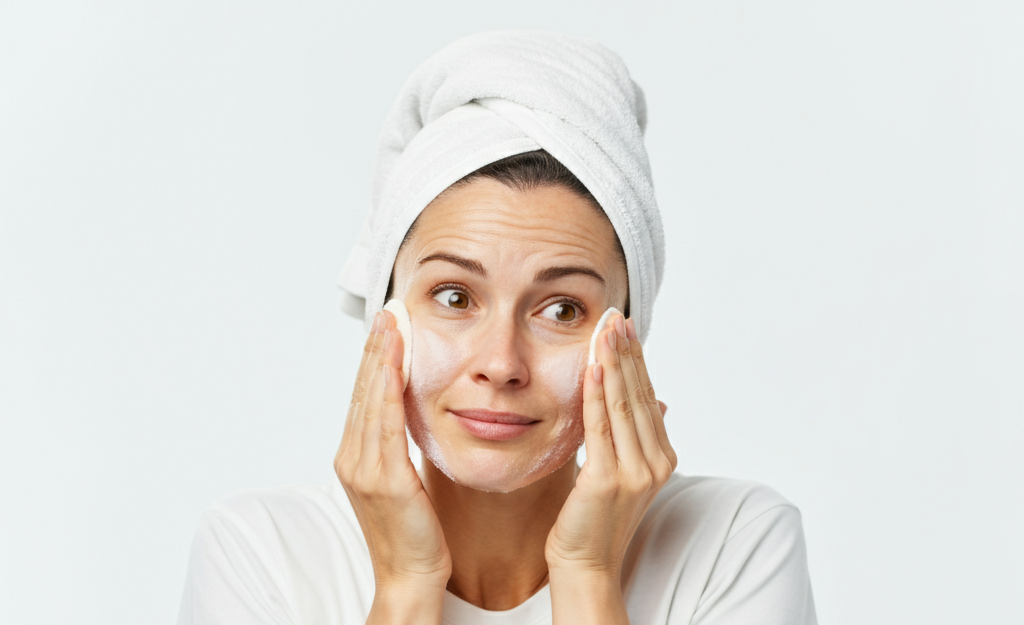
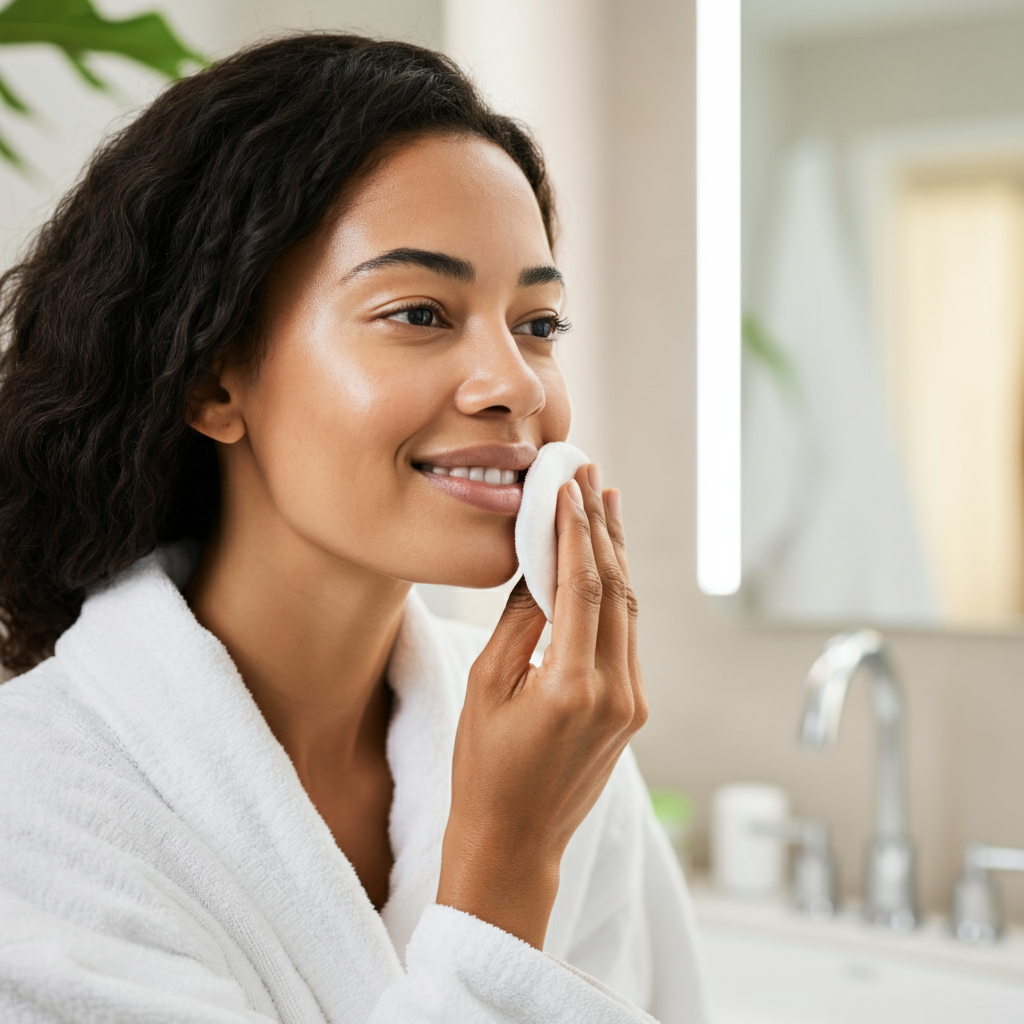
- Apply after cleansing, using a cotton pad or your fingers to gently sweep the toner across your face.
- Use daily or a few times per week, depending on your skin type and tolerance.
Recommendations:
- Pixi Glow Tonic is a cult favorite with 5% glycolic acid, ideal for a glowing complexion.
- The Ordinary Glycolic Acid 7% Toning Solution offers a budget-friendly but powerful option for uneven skin tone.
What Is a Chemical Exfoliant?
Purpose and Benefits
Chemical exfoliants are designed to deliver deeper exfoliation compared to toners. They actively remove dead skin cells by breaking the bonds that hold them together, revealing smoother, fresher skin. This makes them perfect for those aiming to tackle uneven skin texture, clogged pores, or hyperpigmentation.
Why Use a Chemical Exfoliant?
- Enhances skin’s texture and promotes an even tone.
- Fades dark spots over time with consistent use.
- Reduces clogged pores and helps prevent acne.
Key Ingredients:
- AHAs (Lactic, Glycolic Acid): Target dullness and uneven texture.
- BHAs (Salicylic Acid): Best for acne-prone or oily skin, working deep to clear pores.
- PHAs: Gentle and suitable for sensitive skin or beginners.
How to Use It:
- Use 1-3 times per week, depending on how your skin reacts. Apply after cleansing but before your moisturizer.
- For best results, incorporate them into nighttime routines, and always wear sunscreen during the day, as exfoliants increase sun sensitivity.
Recommendations:
- Paula’s Choice Skin Perfecting 2% BHA Liquid Exfoliant is a superstar for keeping pores clear and smoothing skin.
- The Ordinary Lactic Acid 5% + HA provides a gentler exfoliation that’s still highly effective.
What Is a Cleanser with Exfoliating Properties?
Purpose and Benefits
Exfoliating cleansers are 2-in-1 products that clean the skin while providing mild exfoliation. Unlike standalone exfoliants, these are more about convenience, offering regular but subtle exfoliating action during your cleansing step.
Why Use a Cleanser with Exfoliation?
- Ideal for those who prefer simple routines and minimal steps.
- Provides gentle, consistent exfoliation for smoother skin over time.
- Not as potent as a purely chemical exfoliant, making it a milder option.
Key Ingredients:
- Enzymes (Papaya, Pineapple): Provide gentle exfoliation without irritation.
- Microbeads or Scrub Particles: Physical exfoliators add friction but should be eco-friendly.
How to Use It:
- Swap an exfoliating cleanser into your routine 2-3 times a week. Use during the cleansing step, working it gently across your skin.
- Avoid pairing it with toners or chemical exfoliants on the same day to prevent over-exfoliation.
Recommendations:
- Murad AHA/BHA Exfoliating Cleanser combines chemical exfoliation with effective cleansing.
- Youth to the People Superfood Cleanser is enzyme-rich and works gently to refresh your skin.
How to Choose the Right Option
Deciding between these products depends on your skincare needs and routine preferences. Here’s a handy breakdown to guide you:
| Product Type | Primary Function | Best For |
|---|---|---|
| Chemical Toner | Light exfoliation + hydration | Hydrating and maintaining clarity |
| Chemical Exfoliant | Targeted deep exfoliation | Tone correction and texture issues |
| Exfoliating Cleanser | Cleanse + mild exfoliation | Simple, low-maintenance routines |
You don’t need to use all three. Focus on what your skin requires the most and adjust as necessary. For instance, pair a chemical toner with an exfoliating cleanser if your skin is on the sensitive side. Alternatively, introduce a stronger chemical exfoliant 1-2 times per week for dramatic improvements if you need targeted results.
Final Tips
- Patch-Test New Products: Always check how your skin reacts before fully incorporating new items.
- Start Slowly: With exfoliants, less is often more. Gradually increase the frequency to avoid irritation.
- Sunscreen Is Essential: Exfoliating products can make your skin more vulnerable to UV rays, so always use a broad-spectrum SPF 30+.
- Hydration Is Key: Follow exfoliation with a good moisturizer to keep your skin barrier strong and healthy.
Wrapping It All Up
Understanding the differences between chemical toners, exfoliants, and exfoliating cleansers is the first step toward building a routine that works for you. These products might have overlapping benefits, but each serves a distinct purpose—whether you’re looking for light daily exfoliation, intense treatments for specific concerns, or the convenience of a 2-in-1 cleanser. By identifying your needs and using products in moderation, you can achieve a radiant and balanced complexion over time.