Can Exfoliating Make Your Skin Thinner?

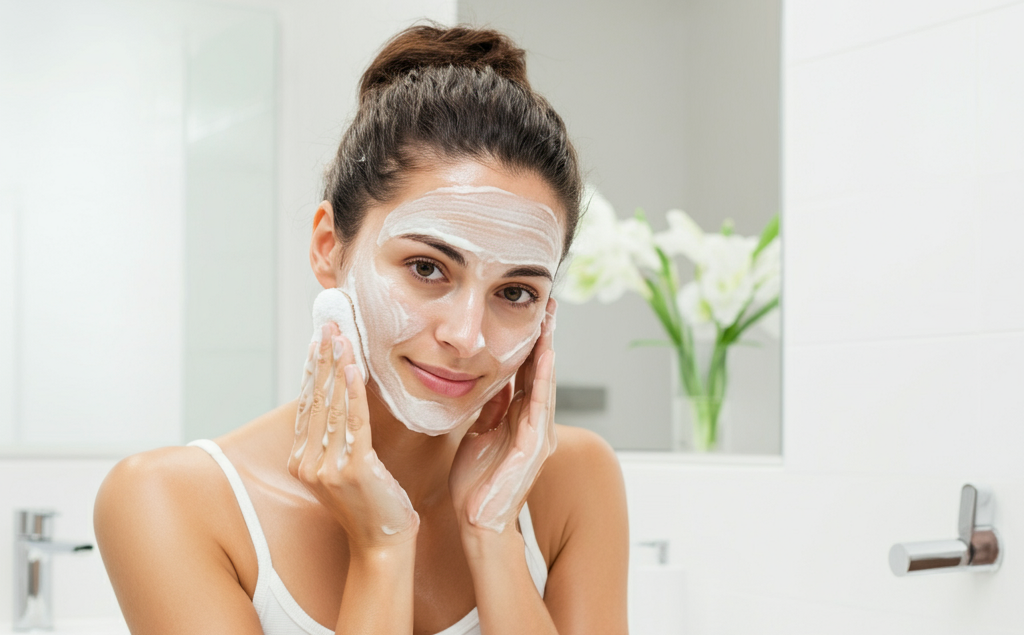
You’ve embraced the exfoliation trend and now find yourself exfoliating almost daily—congrats on stepping up your skincare game! But a frequent concern arises—can exfoliating thin out your skin? We’re here to break it all down while giving you tips on maintaining a healthy skin barrier.
Exfoliation has become the holy grail in skincare, featuring products like the cult-favorite Cosrx BHA Blackhead Power Liquid and the much-celebrated Biologique Recherche P50 lotion. Experts rave about its ability to brighten, smooth, and reduce wrinkles or acne. However, an overzealous approach has led to a growing issue of over-exfoliation, leaving people wondering if it can actually make their skin thinner. Today, let’s address the facts and share methods to keep your skin strong and resilient.
Does Exfoliation Really Thin the Skin?
The short answer is: it’s complicated. While exfoliation temporarily removes the outermost layer of dead skin, it’s unlikely to thin your skin permanently. To understand how this works, it’s important to know a little about the skin’s structure.
The skin comprises multiple layers, with the epidermis being the outermost and most present in skincare. Within the epidermis are five sub-layers that together serve as your body’s primary line of defense against environmental elements. These layers form the protective barrier we’re constantly trying to maintain.
How Exfoliation Works
Your skin naturally exfoliates itself every 28–50 days, depending on age. Fresh cells gradually move from the base of the epidermis to the outer layer, replacing dead cells. This process is what gives your skin that naturally glowing, refreshed look.
But this isn’t a dramatic process—skin sheds microscopic dead cells daily, some of which contribute to household dust (a fun fact to keep in mind next time you’re cleaning!). When natural exfoliation slows down, clogged pores, dullness, and breakouts can occur. This is where mechanical (scrubs) or chemical (AHAs, BHAs) exfoliators come in, boosting or accelerating this natural cycle.
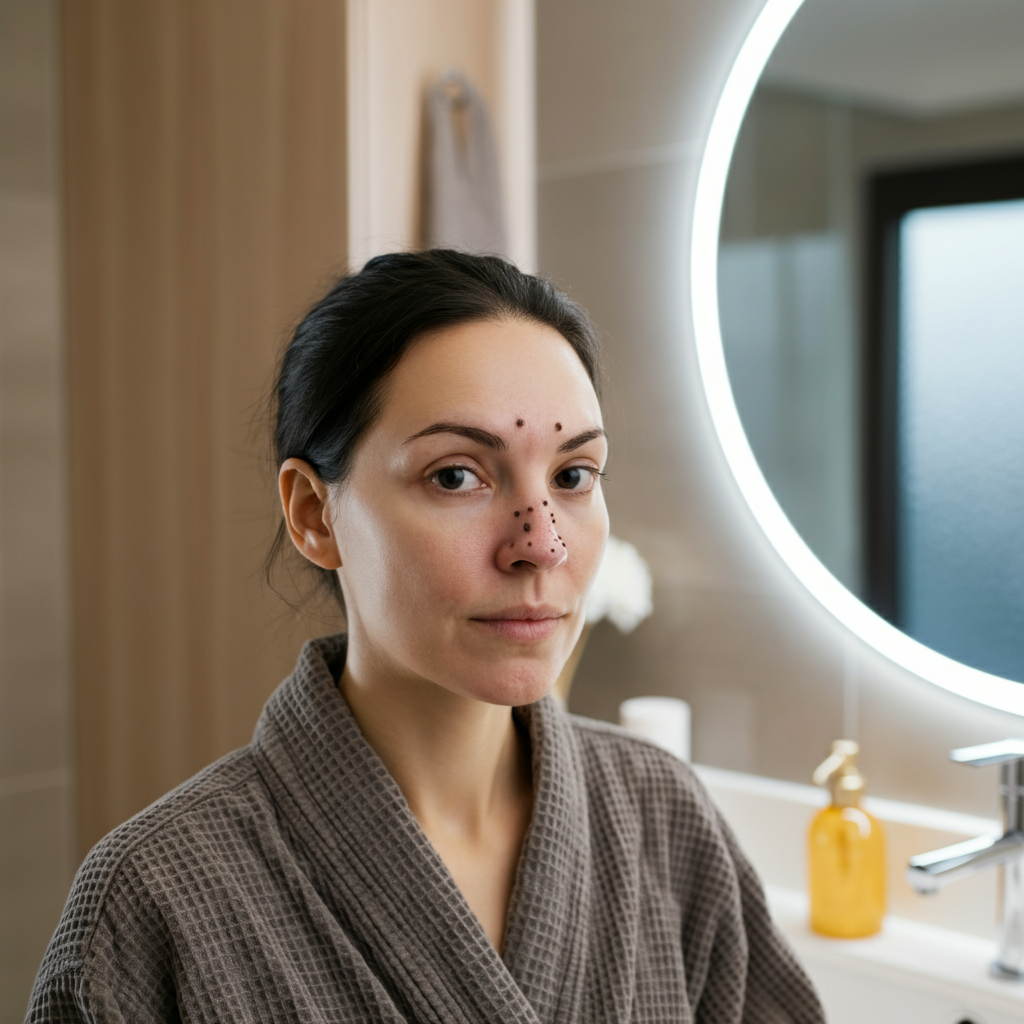
While exfoliation does temporarily remove the outer layer of the skin, it does not typically cause long-term thinning unless done aggressively or excessively. Over-exfoliating, however, can compromise your skin barrier, making it feel more sensitive and appear thinner.
What Really Causes Skin to Thin?
The primary culprit behind skin thinning is aging. Over time, our skin naturally loses volume as collagen and subcutaneous fat diminish, leading to sagging and thinning. While exfoliation doesn’t contribute significantly, improper use of certain products—like excessive topical steroid creams—could lead to long-term thinning. These are usually prescribed for eczema but, in rare cases, could damage your skin layer if misused.
Strengthening and Thickening Your Skin
To keep your skin resilient and thickened, focus on promoting collagen production. Retinol-based products, such as the Missha Time Revolution Night Repair New Science Activator Ampoule, can encourage collagen growth with consistent use. Patience is key here—results appear gradually over several months of regular application.
Boosting hydration is another must. After exfoliating, always replenish moisture with a nourishing cream, such as the Klairs Rich Moist Soothing Cream. This helps restore and protect your delicate skin barrier, ensuring your skin remains smooth and supple.
Final Takeaway
Exfoliating doesn’t thin your skin, but overdoing it can weaken your barrier, making it feel delicate. Keep your routine balanced by leaving ample recovery time between exfoliating sessions and following up with a hydrating moisturizer afterward. Remember, your goal is to maintain healthy, happy skin, not strip it down too frequently.
Using the right exfoliator and maintaining a consistent yet moderate skincare routine will ensure you reap the benefits of exfoliation without compromising your skin’s health. Keep things simple, and your skin will thank you!