Calming Redness for Sensitive Skin with Korean Skincare


Redness, especially in sensitive skin, can feel like a never-ending struggle. Whether it’s caused by environmental irritants, a disrupted skin barrier, or natural skin sensitivity, there are ways to calm and soothe your skin without overwhelming it. For those with sensitive, combination skin, adding Korean skincare products to your routine can be a game-changer. Known for their gentle yet effective formulas, these products cater to sensitive complexions while delivering hydration and nourishment. Here’s everything you need to know to address redness and elevate your skincare routine!
Understanding Redness in Sensitive Skin
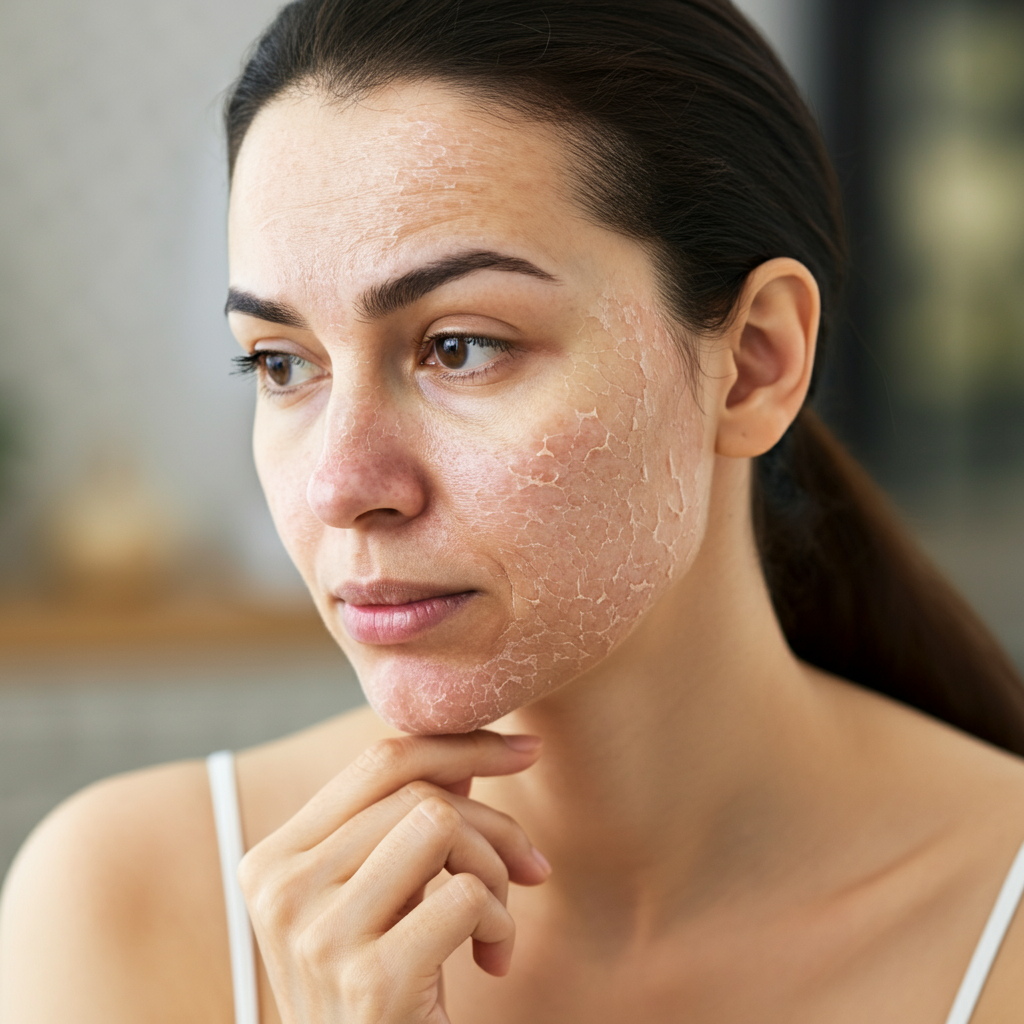
Redness often stems from inflammation or irritation. This could be a result of using harsh products, overdoing exfoliation, or environmental stressors. Combination skin adds another layer of complexity, as you’re balancing both oily and dry areas. The key is to use calming, gentle products while protecting your skin barrier.
Best Korean Skincare for Redness in Sensitive, Combination Skin
Top Picks to Calm and Soothe
- Pyunkang Yul Essence Toner
This hydrating toner is a minimalist formula designed for sensitive skin. It hydrates deeply, delivering calming relief while remaining lightweight. Its texture is perfect even for oily areas. - Dr. Jart+ Cicapair Tiger Grass Serum
Packed with centella asiatica, known for its anti-inflammatory properties, this serum tackles redness and protects your skin barrier. Its non-greasy formula works especially well for combination skin. - Klairs Midnight Blue Calming Cream
Perfect as a nightly moisturizer or spot treatment for inflamed areas, this cream features guaiazulene and centella asiatica. It soothes redness, repairs damage, and provides a cooling effect. - Isntree Green Tea Fresh Serum
With green tea extract and hyaluronic acid, this serum is a blend of hydration and anti-inflammatory care. It’s gentle while addressing both dryness and excess oil.
| Product | Key Ingredients | Best Benefits |
|---|---|---|
| Pyunkang Yul Essence Toner | Astragalus Root Extract | Hydrating + calming irritation |
| Dr. Jart+ Cicapair Serum | Centella Asiatica | Redness relief + barrier care |
| Klairs Midnight Blue Cream | Guaiazulene, Centella | Calms inflamed/red areas |
| Isntree Green Tea Serum | Green Tea Extract, Panthenol | Anti-inflammatory + hydrates balance |
Practical Skincare Routine
Step 1. Gentle Cleansing
Keep using a soothing product like COSRX Snail Mucin Cleanser, which is already working well in your routine. It’s effective without stripping natural oils.
Step 2. Toner
After cleansing, apply Pyunkang Yul Essence Toner by patting it in with your hands to provide instant hydration.
Step 3. Serum
Layer on Dr. Jart+ Cicapair Serum or Isntree Green Tea Serum, depending on how your skin feels. Both are light enough for daytime use!
Step 4. Moisturizer
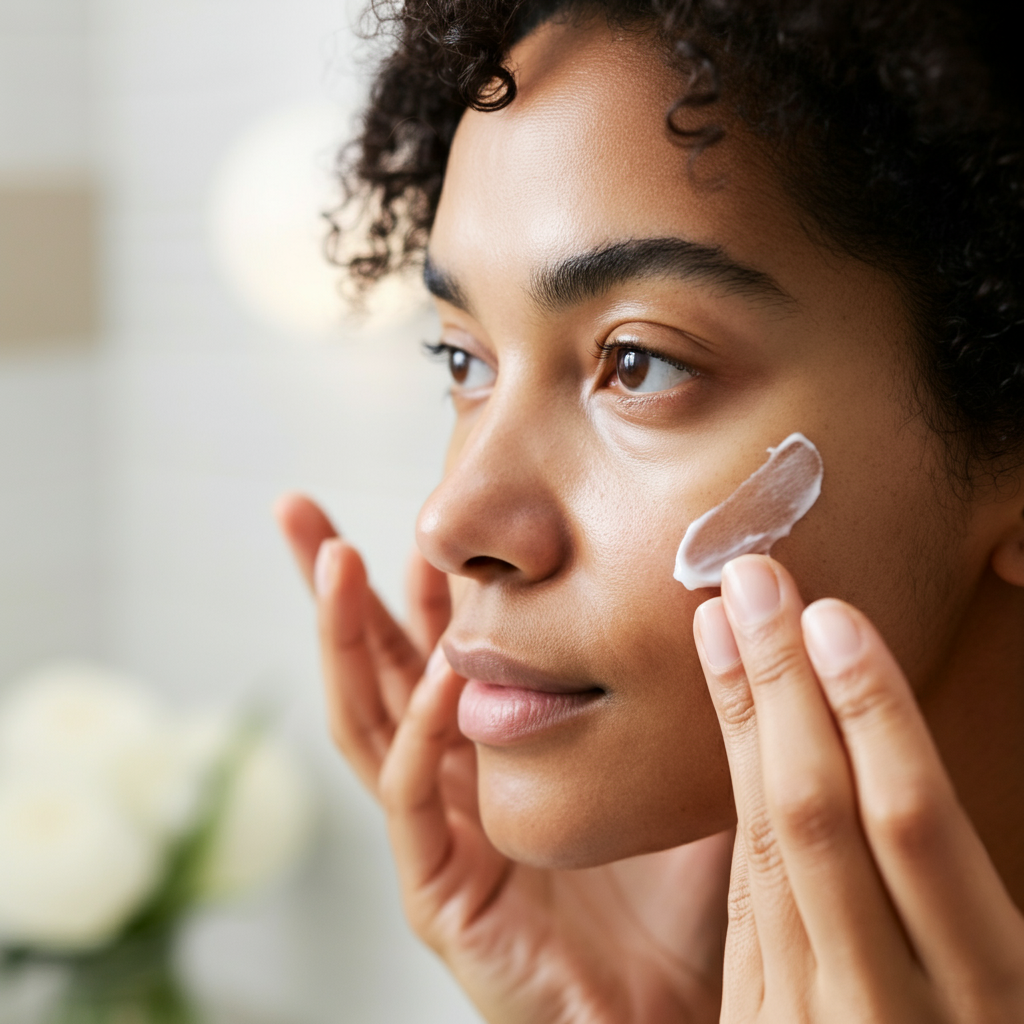
Seal in all the hydration with a calming moisturizer like Klairs Midnight Blue Cream. Use it all over your face, or focus on red, sensitive areas for spot treatment.
Step 5. Sunscreen
Protect your skin with a calming, non-comedogenic sunscreen such as Etude House Sunprise Mild Airy Finish SPF50+. It’s lightweight and won’t clog pores, keeping your sensitive, combination skin happy.
Tips for Managing Redness
- Avoid Overloading Actives: If you’re already using salicylic acid, skip it on days you introduce new calming products to prevent overexfoliation.
- Patch Test Everything: Redness isn’t just about finding soothing products; it’s also about avoiding irritants. Test new additions to make sure they’re compatible with your skin.
- Hydrate Consistently: Keeping your skin hydrated helps reduce sensitivity. Layer lightweight, water-based products to restore your moisture barrier.
Q&A Guide
Q1. Can I still use salicylic acid if I have redness?
Yes, but use it sparingly! Alternate it with soothing products to avoid further irritation.
Q2. What’s the best way to layer products for redness?
Always apply your thinnest textures first (like toners and serums) and finish with thicker layers like moisturizers to lock everything in.
Q3. How can I tell if a product is causing redness?
If redness increases within minutes or hours of use, or lasts all day, that product might be too harsh. Patch testing before full application helps you identify irritants.