What Are Korean Sheet Masks and Why Are They so Popular?
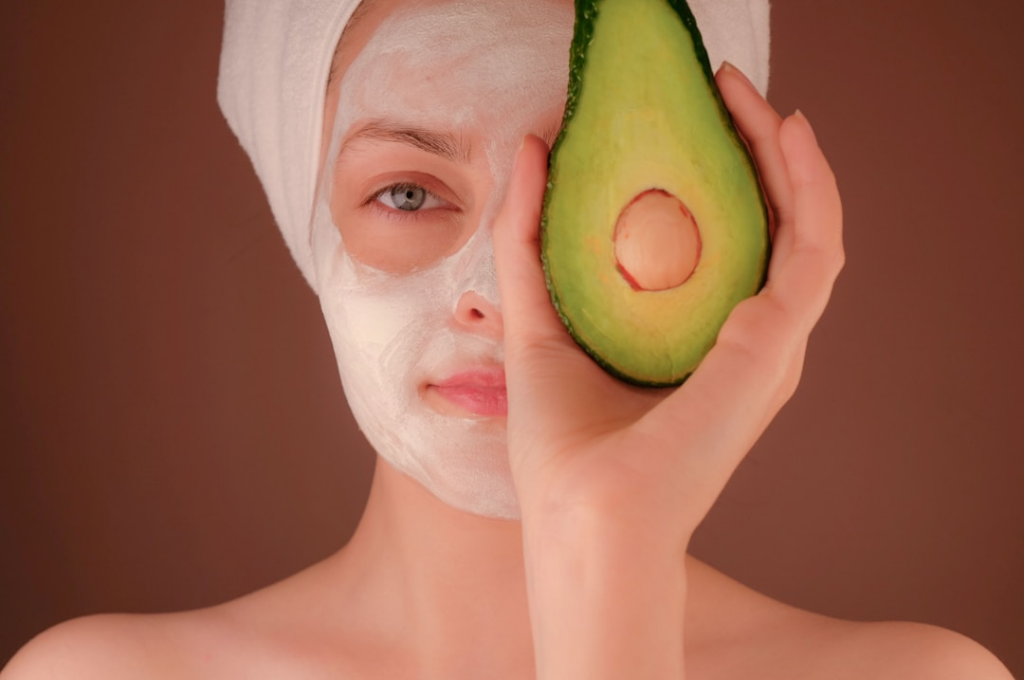
Ever peeled open a glossy packet, unfolded a drenched sheet mask, and placed it on your face? That’s the charm of Korean sheet masks. Made from materials like cotton, cellulose, or bio-cellulose, these sheets are saturated with concentrated serums designed to deliver targeted skincare benefits.
A Brief History
Sheet masks made their mark in the 2010s as part of the Korean “hallyu” (Korean wave) that popularized trends like K-beauty. Rooted in the “skin-first” approach of Korean skincare, sheet masks align perfectly with the comprehensive 10-step beauty routine that emphasizes hydration, nourishment, and carefully curated ingredients.
Global Appeal
Why are they beloved worldwide?
- Convenience: Pre-soaked and ready-to-use, they fit into busy schedules.
- Effective Results: Their serum-drenched sheets ensure maximum absorption.
- Affordable Luxury: They provide a spa-like experience at home.
Why Make Your Own Korean Sheet Mask?
Sure, store-bought options are easy to grab. But customizing your skincare—especially when you can control the ingredients—brings a new dimension to beauty routines.
Customization for Your Skin Needs
Unlike pre-packaged masks, DIY sheet masks allow you to adjust the ingredients to suit your unique skin type and concerns. Got dry skin? Focus on hydrating aloe vera and hyaluronic acid. Dealing with acne? Add a green tea or witch hazel infusion.
Cost-Effectiveness
Store-bought sheet masks range between $2–$10 per use. Given their disposable nature, costs can add up. With DIY sheet masks, you buy ingredients and materials upfront, cutting the cost significantly over time.
Sensitive-Skin Friendly
By choosing your own ingredients, you can avoid fragrances, preservatives, and other irritants commonly found in commercial products.
Common Ingredients for DIY Korean Sheet Masks
Choosing the right ingredients is key to achieving that healthy, dewy glow without clogging pores or causing sensitivity.
Popular Ingredients and Their Benefits
| Ingredient | Benefit | Best For Skin Type |
|---|---|---|
| Aloe Vera | Hydrates and soothes irritated skin | Sensitive, Dry |
| Green Tea | Reduces inflammation and redness | Acne-Prone, Oily |
| Honey | Hydrates and offers antibacterial benefits | Dry, Combination |
| Hyaluronic Acid | Deep hydration and plumping | Dry, Normal |
| Rosewater | Calms and tones the skin | Sensitive, Normal |
| Cucumber Juice | Cools and moisturizes | All Skin Types |
| Witch Hazel | Reduces oil production and tightens pores | Oily, Combination |
| Vitamin E | Anti-aging and scar-lightening effects | Dry, Aging |
Tailor your sheet mask serum to combine ingredients based on your skin’s daily needs.
Step-by-Step Guide to Making DIY Korean Sheet Masks
Step 1: Gather Your Materials
You’ll need the following items:
- Blank sheet masks (available online or in beauty stores)
- A mixing bowl
- Measuring spoons
- Ingredients for serum (aloe vera gel, green tea, essential oils—your choice!)
Step 2: Prepare the Serum
Combine your chosen ingredients into a bowl and mix well. The serum should be lightweight but concentrated enough for hydration. Testing a small patch on your wrist is always a good idea.
Step 3: Saturate the Sheet Mask
Unfold a blank sheet mask and gently place it in the bowl of serum. Allow it to soak thoroughly for 5 minutes, ensuring even saturation.
Step 4: Apply Your Custom Mask
Unfold the soaked mask, place it over your clean face, and smooth it down to avoid air bubbles. Leave it on for 15–20 minutes, allowing your skin to soak in the nutrients. Relax, read, or listen to your favorite podcast while you mask.
Step 5: Lock in the Benefits
Once done, discard the sheet. Gently pat the remaining serum into your skin for maximum absorption. Follow up with your usual moisturizer to seal in the hydration.
DIY Sheet Masks vs. Store-Bought Korean Sheet Masks
| Feature | DIY Sheet Masks | Store-Bought Sheet Masks |
|---|---|---|
| Cost | Lower long-term cost | Higher, especially for premium brands |
| Customization | Fully customizable | Pre-mixed and standardized |
| Ingredient Control | 100% control over ingredients | Potential allergens/preservatives |
| Effectiveness | Tailored to personal needs | Scientifically tested formulas |
| Convenience | Requires preparation | Ready-to-use |
Both options can deliver fantastic results—what suits you best depends on your time, budget, and skincare preferences.
Common Questions About Korean Sheet Masks
How Often Should You Use a Sheet Mask?
Korean skincare experts recommend 1–3 times a week, depending on your skin type.
Can You Use a Sheet Mask Every Day?
Yes, but this works better for hydrating (not active-ingredient heavy) masks. Overdoing exfoliating or detoxifying masks could irritate your skin.
How Long Should a Sheet Mask Be Left On?
Always follow the recommended time (usually 15–20 minutes). Leaving it on longer could dry out the skin as the sheet begins to pull moisture away.
The Science Behind Sheet Masks
Did you know that sheet masks can boost skin hydration by up to 90% in just 20 minutes? According to a study published in the Journal of Clinical and Aesthetic Dermatology, masking enhances the skin barrier function and increases moisture retention considerably.
Dermatologists also agree that the occlusive nature of sheet masks—where serum is pressed against the skin with little evaporation—contributes to their efficacy. [Link study here]
Start Your DIY Sheet Mask Journey Today
Crafting your own Korean-style sheet mask offers unmatched flexibility, affordability, and satisfaction. Whether you’re looking to boost hydration on a dry day or calm down acne before a big event, these masks are your ticket to effective, better-for-you skincare.
Got your ingredients ready? Grab your blank sheet masks, test out your favorite recipes, and transform your skincare routine.