Complete Guide to Using Sheet Masks for Every Skin Type

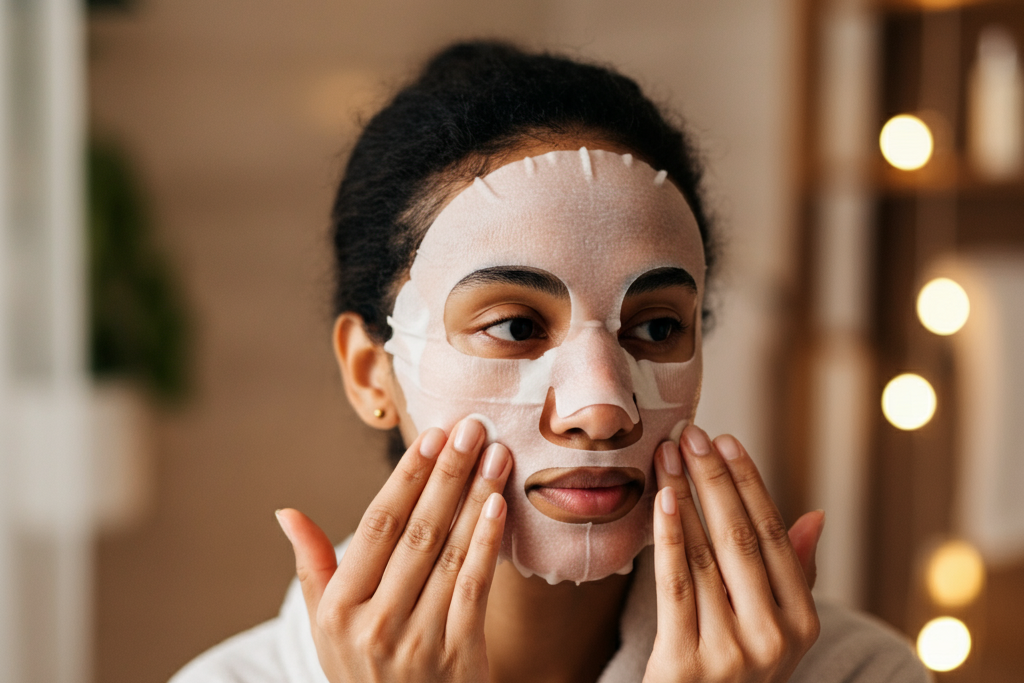
Sheet masks have become a go-to skincare product for people seeking hydration, brightness, or relaxation. These serum-soaked fabrics are more than just a fun pastime—they can deliver a concentrated dose of nutrients to your skin in as little as 15 minutes. But how often should you use them? And which ones work best for your specific skin concerns? Here’s our ultimate guide to integrating sheet masks into your skincare routine.
What Are Sheet Masks and Why Use Them?
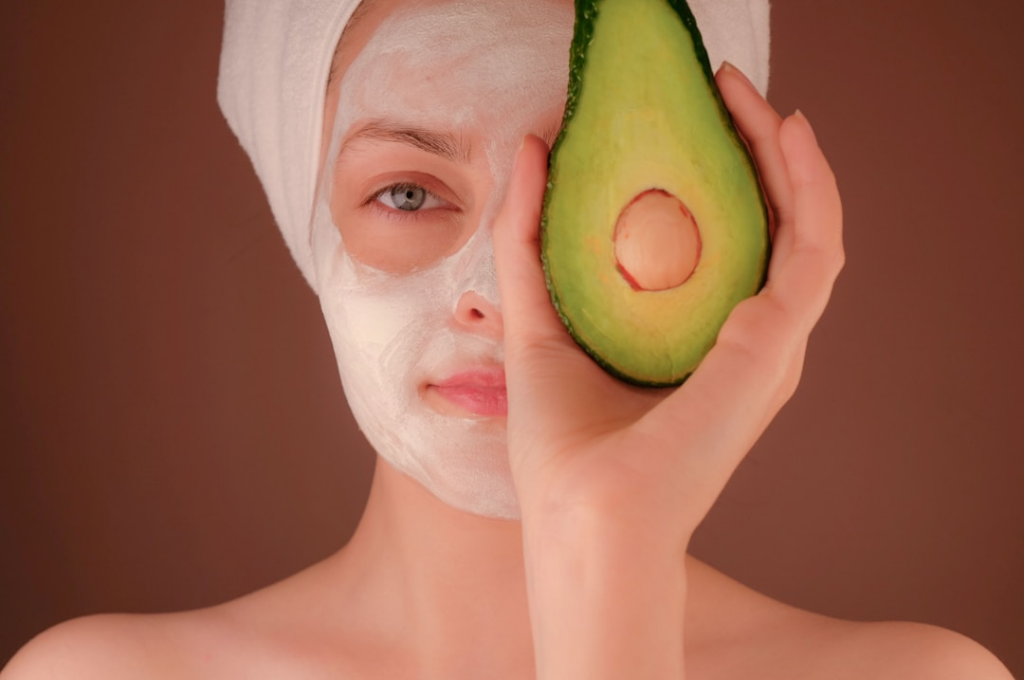
Sheet masks are face-shaped fabrics infused with serums packed with active ingredients. They offer an instant boost of hydration or other targeted skin benefits, depending on the type you choose. Ideal for quick at-home pampering, they lock in moisture and create a barrier, allowing the serum to penetrate deeper into your skin.
Benefits of Sheet Masks:
- Hydration: Helps combat dryness and restore moisture balance.
- Brightening: Minimizes dullness and enhances glow with vitamins and antioxidants.
- Soothing: Reduces redness and calms sensitive or irritated skin.
- Anti-Aging: Boosts skin elasticity with collagen and other firming agents.
- Relaxation: Offers a spa-like experience for de-stressing.
How Often Should You Use Sheet Masks?
The ideal frequency largely depends on your skin type and skincare goals. Using them too often can sometimes overwhelm the skin, while infrequent use may not give the desired results.
Guidelines by Skin Type:
- Normal or Dry Skin
- Frequency: 2-3 times a week.
- Goal: Intense hydration and repair. Look for masks with hyaluronic acid, ceramides, or glycerin.
- Product Recommendation: Dr. Jart+ Vital Hydra Solution Mask.
- Oily or Acne-Prone Skin
- Frequency: 1-2 times a week.
- Goal: Oil control and soothing redness. Choose masks containing tea tree, niacinamide, or salicylic acid.
- Product Recommendation: COSRX Acne Pimple Master Sheet Mask.
- Sensitive Skin
- Frequency: Once a week.
- Goal: Calming and strengthening the skin barrier. Avoid heavily fragranced masks.
- Product Recommendation: Abib Mild Acidic pH Sheet Mask.
- Combination Skin
- Frequency: 2 times a week.
- Goal: Balance hydration and oil production. Alternate masks targeting different concerns.
- Product Recommendation: Mediheal N.M.F. Intensive Hydrating Mask.
- Mature or Aging Skin
- Frequency: 3-4 times a week, or even daily if the masks are gentle.
- Goal: Boost firmness and reduce fine lines. Look for collagen, peptides, and antioxidants.
- Product Recommendation: Banobagi Collagen Injection Mask.
What About Daily Use?
If your skin tolerates it, you can use a sheet mask daily as long as it’s gentle and primarily hydrating. Avoid masks with strong actives like retinol or exfoliants, as these can lead to irritation. For daily use, consider Etude House 0.2mm Air Therapy Masks.
Recommended Sheet Masks for Your Skincare Goals
| Product Name | Key Benefits | Skin Type Suitability |
|---|---|---|
| Dr. Jart+ Vital Hydra Mask | Intense hydration | Dry, normal, combination skin |
| Abib Mild Acidic pH Sheet Mask | Calms redness, strengthens skin barrier | Sensitive, dry skin |
| Mediheal Vita Lightbeam Mask | Brightens dull skin with Vitamin C | Normal, dull, combination skin |
| COSRX Acne Pimple Master Sheet Mask | Reduces redness and controls oil | Oily, acne-prone skin |
| Banobagi Collagen Injection Mask | Firms skin and smooths fine lines | Mature, dry, normal skin |
| Etude House 0.2mm Air Mask (Aloe) | Lightweight hydration for daily use | All skin types |
Q&A Section
Q1. Can I reuse a sheet mask?
No, sheet masks are one-time-use products. Reusing them can lead to bacteria growth and reduce effectiveness.
Q2. Should I remove the essence after using a sheet mask?
Nope! Massage the remaining essence into your face, neck, and hands to make the most of the nutrients. Follow with a moisturizer to lock in the hydration.
Q3. What if my face feels sticky afterward?
Some stickiness is normal due to the essence, but it should absorb into your skin after a while. If it feels uncomfortable, apply a light moisturizer on top to smooth it out.
Q4. Can I refrigerate sheet masks?
Yes! Storing sheet masks in the fridge can make them extra refreshing and help soothe irritated skin.
Q5. Are sheet masks better than serums?
Sheet masks and serums serve different purposes. While serums are for daily use and specific concerns, sheet masks provide an occasional concentrated treatment.
Q6. Are there any downsides to sheet masks?
Overuse can clog pores or cause breakouts, especially with rich or fragranced masks. Stick to the recommended frequency for your skin type.
Final Thoughts
Sheet masks are versatile skincare tools that can suit any goal, from hydration to calming irritation. The key is to choose the right type of mask for your skin and use it as frequently as your skin tolerates. Be consistent, and don’t forget to enjoy the process—it’s a perfect excuse for 15 minutes of “me time”!