How to Manage Sensitive and Dry Skin When Trying a New Skincare Routine

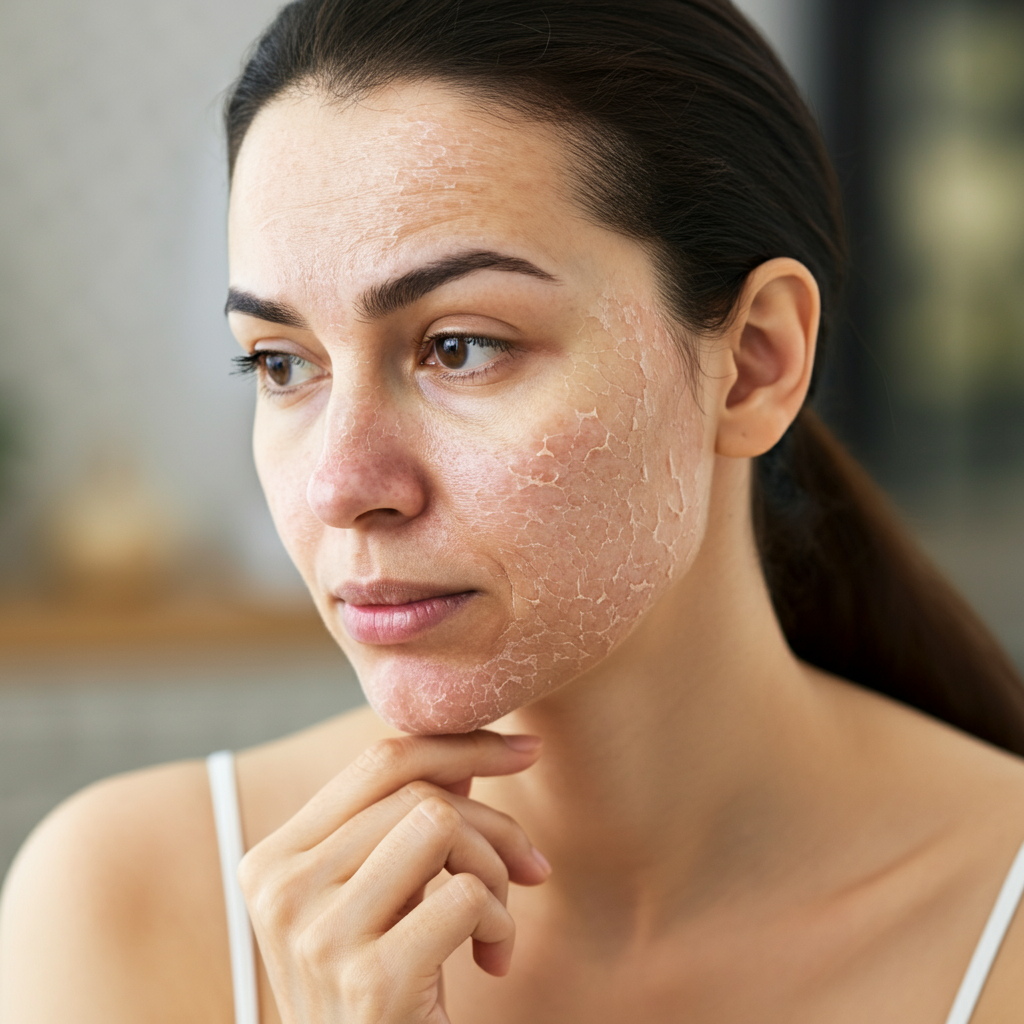
Starting a new skincare routine can be exciting—you’re investing in your skin and hoping for that glow-up. But sometimes it can lead to unexpected irritation, especially if you have sensitive and dry skin. If you’re feeling stuck or unsure whether your skin is purging, irritated, or just overwhelmed, don’t worry. This guide will give you the tools you need to adjust your routine, repair your skin barrier, and avoid common pitfalls.
Why Is My Skin Reacting Badly to a New Routine?
There are several reasons your skin could be reacting uncomfortably to a new skincare setup. Understanding the “why” is essential to fix the issue.
1. It’s Overwhelmed
Sensitive and dry skin types are more prone to irritation when too many new products are introduced at once. The skin barrier (your skin’s protective layer) can be disrupted, leaving it vulnerable. This leads to stinging, redness, or tiny bumps.
2. Your Routine May Be Too Harsh
Some skincare products contain potent actives like exfoliants, acids, or strong acne treatments, which can be too strong for dry, sensitive skin. Even something as simple as an overly stripping cleanser can spell trouble.
3. Sensitivity to Certain Ingredients
Many common skincare ingredients—fragrances, alcohol, or even specific chemical compounds—can trigger reactions in sensitive skin.
4. Your Skin Is Adjusting
Sometimes a new product can cause “purging,” where breakouts occur in areas already prone to congestion. This is common with treatments like chemical exfoliants and retinol, but it should improve within weeks, not months.
Steps to Calm and Repair Your Skin Barrier
If your skin feels irritated or bumpy after starting a new routine, here’s what you should do to soothe it and promote healing.
1. Simplify Your Skincare Routine
The best thing you can do for irritated skin is to cut back to the basics. Use only three essential products:
- A gentle cleanser.
- A hydrating, barrier-repairing moisturizer.
- Sunscreen during the day.
Drop all other products temporarily, especially treatments like serums and spot gels.
2. Choose Gentle, Barrier-Friendly Products
Look for products designed for sensitive or barrier-compromised skin. Ingredients like ceramides, hyaluronic acid, panthenol, and centella asiatica are your friends. Avoid fragrances, alcohol, or highly active ingredients like AHAs/BHAs and retinol.
- Cleanser Recommendation:
- CeraVe Hydrating Cream-to-Foam Cleanser. Suitable for sensitive, dry skin without stripping it.
- Moisturizer Recommendation:
- Lilliyoon Ceramide Ato Concentrate Cream (this is already in your routine and an excellent choice!).
- Sunscreen Recommendation:
- Skin1004 Madagascar Centella Water Fit Sun Serum. Centella soothes, and this is lightweight without clogging pores.
3. Don’t Skip Sunscreen
UV rays can make irritation and hyperpigmentation worse. Use sunscreen daily—even if it’s cloudy.
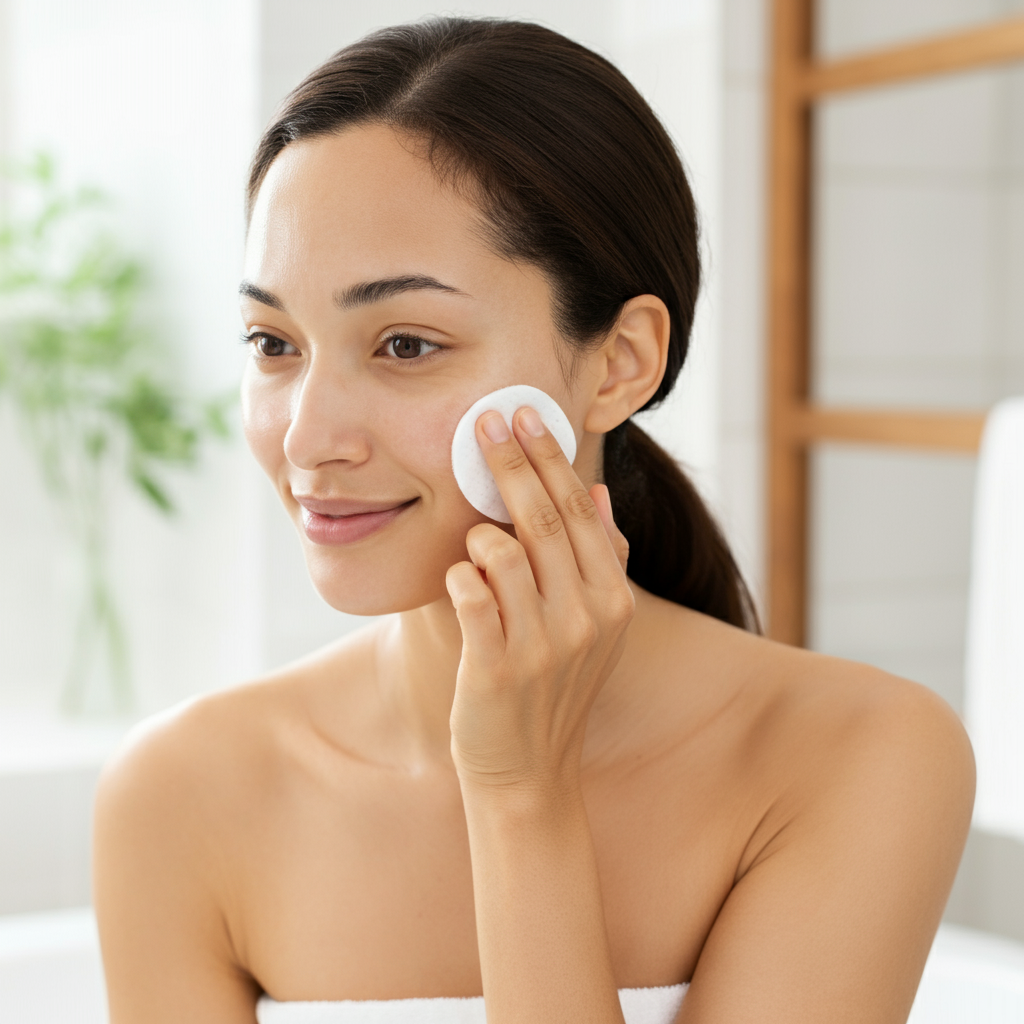
4. Use Plain, Damp Washcloths or Compresses to Calm Skin
If you’re experiencing redness or stinging, a clean, soft washcloth dampened with cool water can calm your skin. Hold it over your face for a few minutes for relief.
5. Practice the Patch-Test Rule
Every time you introduce a new product, test it on a small area of your skin, like your jawline or inner arm. Wait for 48 hours to see how your skin reacts before applying it to your whole face.
Reintroducing Products Step by Step
Once your skin barrier is repaired (usually within 2-4 weeks of a minimalist routine), you can start adding back additional products gradually.
- Select one product and introduce it slowly. Use it every other day for the first week to ensure your skin tolerates it.
- If there’s no irritation, you can return to daily use and add another product. Follow this same process each time you introduce something new.
Pay attention to how your skin feels. If something stings or causes irritation, stop using it. Skincare is all about finding the right balance.
Do You Need an Oil Cleanser?
Oil cleansers are fantastic for removing sunscreen and makeup, but they might not be necessary if you’re already simplifying your skincare. Sensitive and dry skin types often do better sticking with one gentle cleanse and avoiding over-cleansing. If you feel the need to double cleanse (like after a full day of makeup), try a non-irritating oil cleanser such as:
- Kose Softymo Speedy Oil Cleanser (it’s fragrance-free and gentle).
Q&A Section
Q1. How long will it take for my skin to calm down?
If you switch to a simplified routine, most irritation should subside within 1-2 weeks. Full skin barrier recovery may take up to a month or more, so be patient.
Q2. Is it normal for products to sting sensitive skin?
No, products shouldn’t sting, even on sensitive skin. Stinging usually indicates that a product is irritating or worsening the impaired skin barrier.
Q3. Should I exfoliate when my skin is irritated?
No, avoid exfoliation (physical or chemical) until your skin is fully healed. Exfoliation can be too harsh on a compromised barrier.
Q4. How do I know if it’s irritation or purging?
If breakouts occur in new areas you don’t typically get acne, it’s likely irritation. Purging will generally happen in areas where you already have clogged pores.
Q5. What ingredients help rebuild the skin barrier?
Look for:
- Ceramides: Reinforce your barrier.
- Niacinamide: Calms, hydrates, and strengthens skin.
- Panthenol: Reduces redness and promotes healing.
- Centella asiatica: Eases irritation.
Final Thoughts
Sensitive and dry skin requires special care and attention. When starting a skincare routine, keep it simple and gentle and focus on repairing your skin barrier before adding more steps. Look for soothing, hydrating products that won’t stress your skin, and don’t be afraid to adjust your routine at any point if your skin feels uncomfortable. Progress takes time, but with patience and consistency, you’ll be on your way to happier, healthy-looking skin.