Why Is Your Skin Still Flaking? A Winter Skincare Survival Guide


Flaky skin can feel like a frustrating mystery, especially when you’re doing everything you can to hydrate, nourish, and protect it. You diligently layer on your serums, follow up with barrier creams, and even add an occlusive top layer, yet the dryness persists. Winter only makes things worse! But take heart—you’re not alone in this, and flaky skin doesn’t have to win.
This guide will help you troubleshoot your skincare routine, highlight potential issues, and offer practical steps to create a smooth, hydrated complexion this winter.
Why Your Skin Is Flaking Despite Your Efforts
1. Your Skin Lacks Hydration, Not Just Moisture
It’s easy to confuse hydration and moisture, but these terms serve different purposes. Hydration is about water in your skin, while moisture refers to oils that lock hydration in.
Signs of dehydration (a lack of water) include tightness, dullness, and flaky patches that won’t go away no matter how rich your creams are. Addressing dehydration first is crucial for long-lasting softness.
2. Occlusives Could Be Trapping Dryness
Occlusive products like Vaseline or CeraVe Healing Ointment are fantastic for sealing in hydration—but only if there’s enough hydration to trap. Applying heavy occlusives to dry or improperly prepped skin may backfire by accentuating dryness.
3. The Wrong Ingredients Could Be Working Against You
Even well-loved products can contain ingredients that might not suit your unique skin. Alcohols, fragrances, or overuse of exfoliating acids can easily weaken your barrier when your skin is already struggling.
4. External Factors Are Making It Worse
Winter air is notorious for drying out skin. Central heating, cold winds, and low humidity in rooms all suck moisture from your face, undoing even the best skincare. Without environmental adjustments, products may feel like they’re falling short.
Adjusting Your Routine to Beat the Flakes
To address flaky skin effectively, you may need to rethink the fundamental steps of your skincare routine.
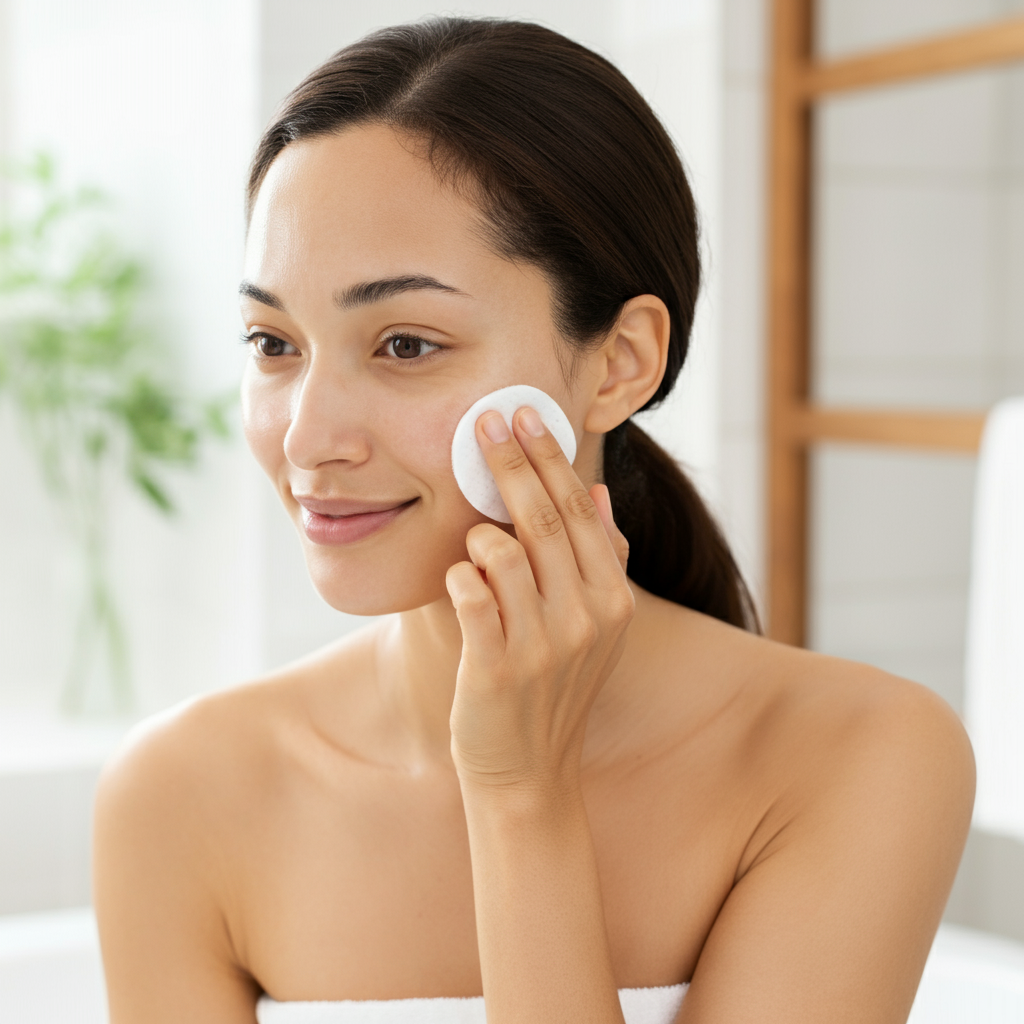
Step 1. Double Cleanse Gently But Thoroughly
Cleansing is critical, but overwashing or harsh formulas can dry out your skin. Opt for a non-stripping cleanser that also removes impurities.
Try These Gentle Cleansers:
- CeraVe Hydrating Cleanser – Adds moisture even as you wash.
- Iunik Centella Bubble Cleansing Foam – A calming, hydrating formula perfect for sensitive, dry skin.
Step 2. Hydrate Like Your Life Depends on It
Apply water-based hydrating toners or essences immediately after cleansing to flood your skin with water.
Recommended Hydrating Layers:
- Hada Labo Gokujyun Premium Lotion – A cult-favorite for its hydration-boosting hyaluronic acid complex.
- Isntree Hyaluronic Acid Water Essence – Lightweight hydration in every drop.
- Pyunkang Yul Essence Toner – High in humectants, this works wonders for flaky, dehydrated skin.
Apply 2–3 layers of these products, patting into the skin gently for optimal absorption.
Step 3. Lock It All in with a Barrier Cream
Once you’ve hydrated, follow with a barrier cream to seal the moisture in. Look for products rich in ceramides, fatty acids, and cholesterol to rebuild your skin’s natural barrier.
Barrier Cream Suggestions:
- Skinfix Lipid-Peptide Barrier Cream – Fortifies skin using a powerful combination of ceramides and lipids.
- Stratia Liquid Gold – A lightweight, nutrient-packed formula that mimics the natural composition of your skin barrier.
Step 4. Use Occlusives Wisely
Your slugging or heavy ointment step should be the final touch to prevent water loss throughout the night. Introduce this only after layers of hydration and moisturizer.
Ideal for Occlusive Layers:
- 100% Pure Squalane Oil – Lightweight and less greasy compared to Vaseline.
- Aquaphor Healing Ointment – A tried-and-true solution for sealing in hydration.
Step 5. Humidify Your Room
Low indoor humidity is a silent hydration thief. Adding a humidifier to your space can maintain skin moisture effortlessly.
Pro Tip: Keep the humidity in your living space between 40–50% for the best results.
Step 6. Go Minimal—Temporarily
When all else fails, streamline your routine for a week or two. Overstimulated skin often responds best to simplicity. Stick to just three essentials for a while—cleanser, hydrating toner, and moisturizer.
Step 7. Check Water Temperature
Hot water might feel cozy in the winter, but it’s your skin’s worst enemy. Shift to lukewarm water to prevent further irritation.
FAQs About Flaky Winter Skin
1. Should I exfoliate to get rid of flakes?
Not immediately. Exfoliating while your barrier is compromised could worsen irritation. Focus on hydration first. Once your skin feels less flaky, opt for a gentle exfoliator like a PHA toner.
2. Why doesn’t my moisturizer seem to work?
Moisturizer works best on hydrated skin. Without a water base underneath, rich creams may only sit on the surface and fail to nourish deeper layers.
3. When should I contact a dermatologist?
If persistent flakiness doesn’t respond to adjustments and your skin becomes painful or develops signs of infection, a dermatologist can provide targeted care.
4. Are facial mists worth including?
Yes! Facial mists like mineral sprays or essence mists add hydration on the go. However, remember to seal the mist with an emollient like cream or oil.
5. Does diet affect flaky skin?
Yes, staying hydrated and eating oils rich in omega-3s can improve your skin’s ability to retain moisturize. Balance your skincare with healthy skin-building nutrients.
Final Thoughts on Winter Flaky Skin
Flaky skin doesn’t mean you’re failing—it’s an invitation to adjust for your skin’s evolving needs. From layering lightweight hydration to using barrier-protecting creams and modifying environmental factors, managing winter dryness takes a little experimentation. Stay patient, lean into hydration, and soon your efforts will pay off.