5 Warning Signs of Over-Exfoliation and How to Fix

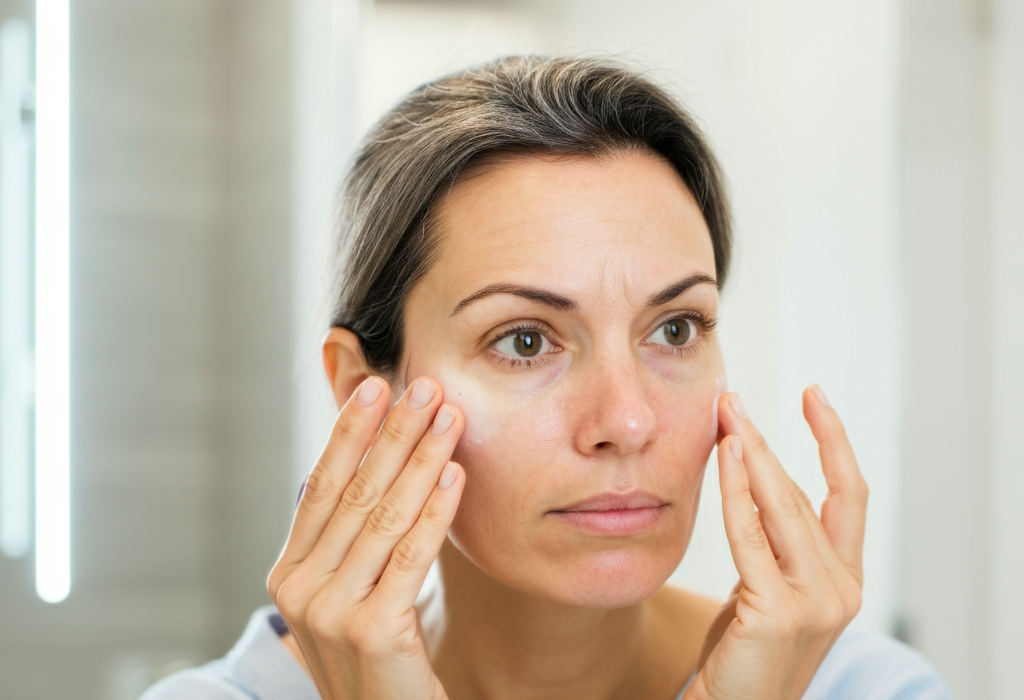
Exfoliation is an essential part of skincare, but it’s easy to overdo it—and recognizing the signs of over-exfoliation can be a game-changer. Recovering your skin after the damage? That can be more challenging, but not impossible with the right methods. Below, we’ll cover common symptoms and practical recovery strategies.
There’s something undeniably satisfying about exfoliating, whether it’s the refreshing feeling of using a scrub or waking up to radiant skin after applying an exfoliating acid. Proper exfoliation promotes healthy skin cell turnover and clears out clogged pores, making it a vital step in any skincare routine. However, too much exfoliation, whether chemical or physical, can harm your skin. Overdoing it can lead to irritation, dryness, and other long-term issues.
Here are five signs that you might be over-exfoliating and tips on how to address it.
Redness and Sensitivity
A little redness after exfoliating? Perfectly normal. But if the redness doesn’t fade within a few hours—or continues into the next day—it’s a clear sign that you’ve gone too far. Skin may also feel itchy or display a burning sensation when applying other products. These symptoms suggest that your skin barrier has been compromised. If you find your skin stinging when applying non-exfoliating skincare products, it’s time to evaluate your routine.
Dryness and Peeling
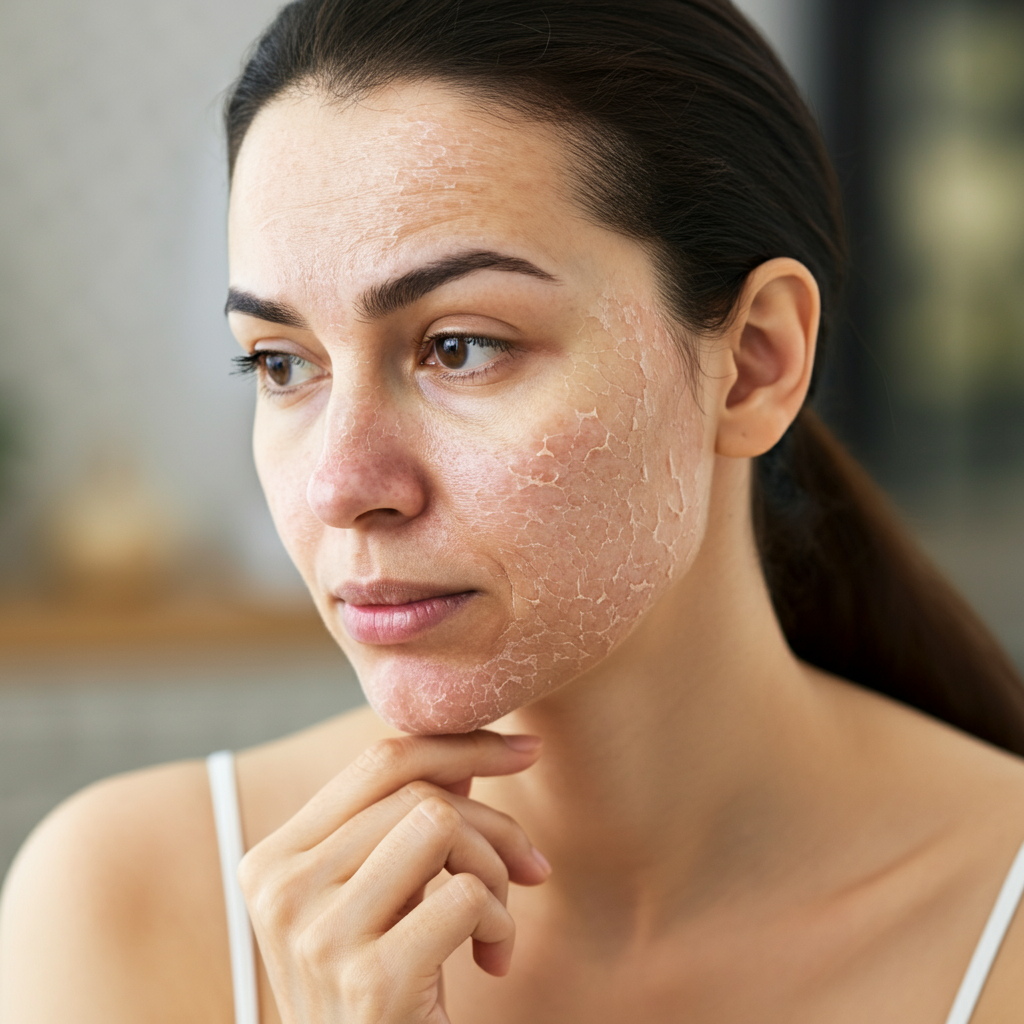
Struggling with dry patches or flaky skin? Over-exfoliation can dehydrate your skin by stripping away its natural oils and disrupting its protective barrier. This is why replenishing your skin with hydration and moisturizing products after exfoliating is non-negotiable. If dryness becomes a constant issue, reconsider how often—and how harshly—you exfoliate.
Excess Oil Production
If your skin feels oily despite efforts to manage it, over-exfoliation may be the culprit. When overly stripped of moisture, the skin tries to make up for the loss by producing more oil as a defense mechanism. While exfoliation is often recommended for oily and combination skin, excessive exfoliation can confuse your skin into overcompensating.
Persistent Acne
Over-exfoliation can lead to acne flare-ups by weakening the skin’s natural barrier and making it vulnerable to bacteria. While moderate exfoliation helps by unclogging pores, doing too much can backfire and cause inflammation. Physically exfoliating over active breakouts can also spread bacteria, resulting in more blemishes. If your acne worsens or doesn’t improve despite treatment, scaling back on exfoliation might be the answer.
Overly Shiny Skin
That shiny, glassy look might seem appealing at first, but don’t be fooled—it could actually mean your skin has been stripped of its natural texture. A healthy glow comes from hydration, not over-exfoliation. If shininess transforms into an unnatural, almost translucent appearance, it’s a red flag indicating a compromised barrier.
How to Recover from Over-Exfoliation
If you notice one or more of the above signs, don’t panic. Here’s how to nurse your skin back to health:
- Take a Break
Pause exfoliating for at least a week. This allows your skin to heal and rebuild its natural protective barrier.
- Ease Back Gently
Once your skin has recovered, resume exfoliating no more than 2–3 times a week. Opt for gentler products or those with lower concentrations of active ingredients.
- Switch to Barrier Repair Products
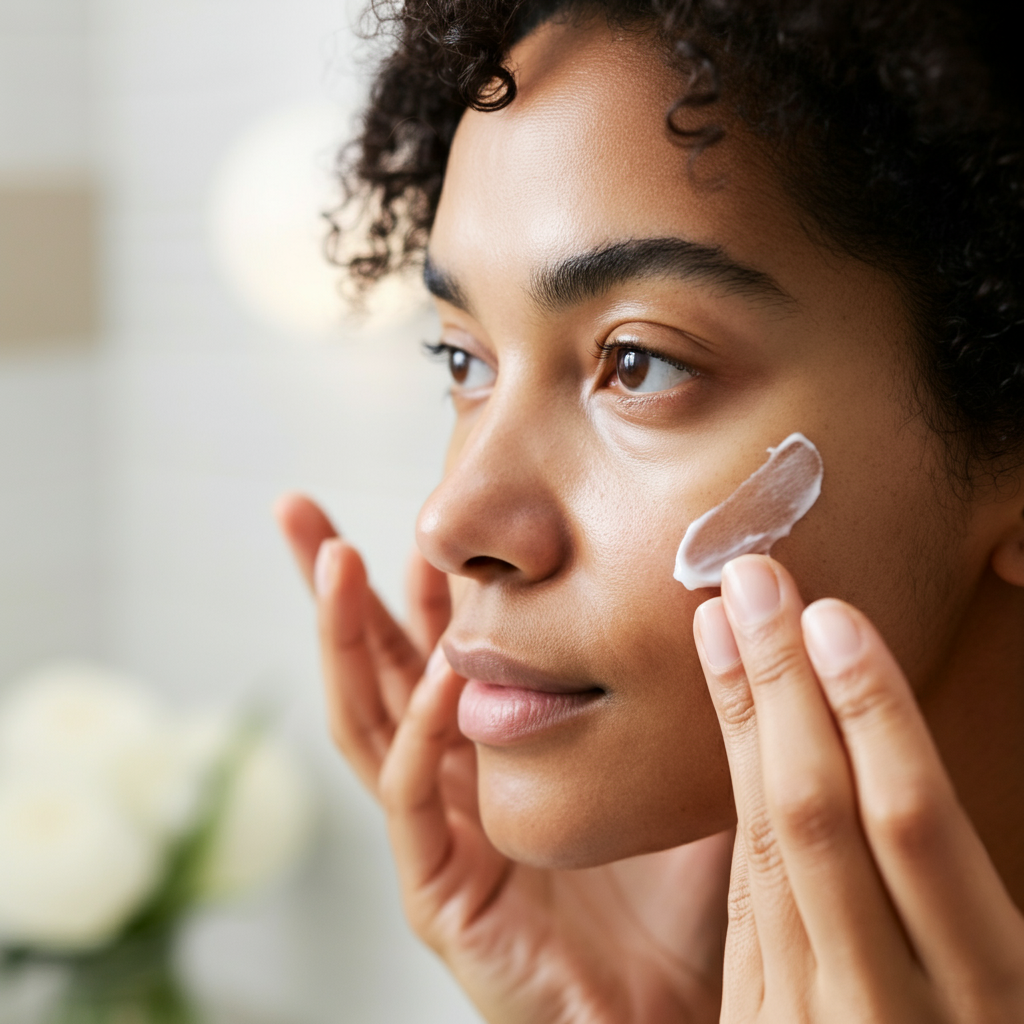
Incorporate skincare designed to repair and hydrate your skin. Look for products with ingredients like ceramides, which help restore the skin’s barrier, while soothing ingredients like madecassoside can calm irritation. For example:
- SkinRX Lab Madecera Cream boosts hydration and nourishes skin with ceramides and niacinamide while soothing with madecassoside.
- Thank You Farmer’s Back to Relax Soothing Gel Mask provides intense hydration and repair with aloe vera, pomegranate, and fig.
- Hydrate Intensely
Use products rich in hydrating ingredients such as hyaluronic acid. A great option is Plant Base Waterfall Moist Balanced Hyaluronic Acid Ampoule, which replenishes water levels in the skin and helps restore its natural plumpness.
- Always Use Sunscreen
When your skin barrier is weakened, it’s more sensitive to sun damage. Protect your skin with a gentle sunscreen, such as Suntique I’m Safe for Sensitive Skin, which uses titanium dioxide as a physical blocker paired with centella asiatica and aloe leaf extract for soothing effects.
Taking the right steps early on can save your skin from further damage and help it bounce back more quickly. Prevention, of course, is always best. Incorporate exfoliation in moderation, listen to your skin, and prioritize repairing products to maintain a healthy barrier.