How Peeling Gels Work

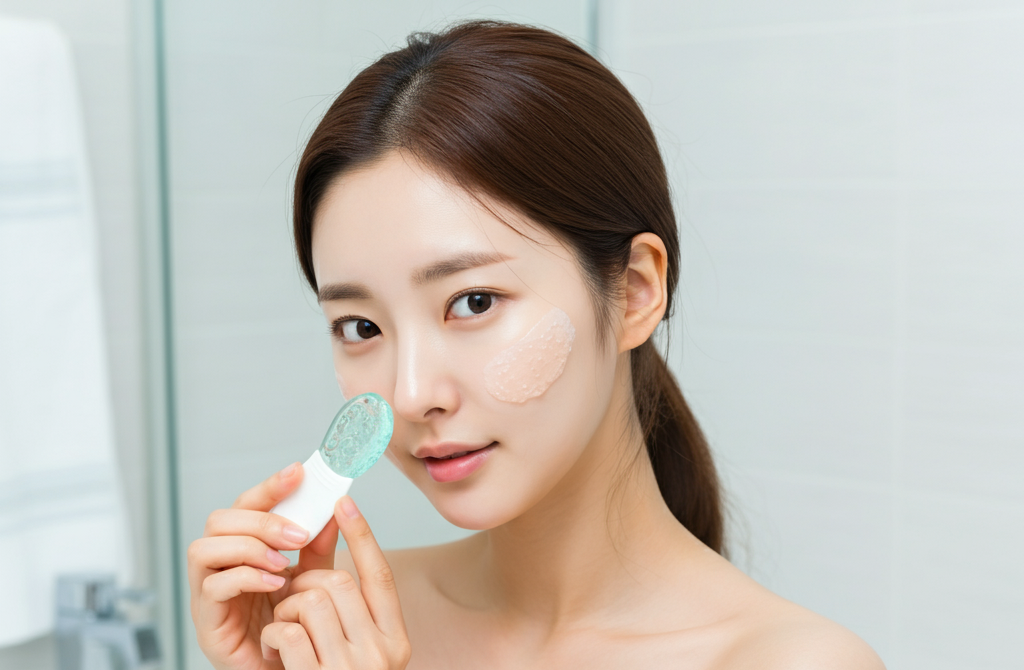
Peeling gels have taken the beauty world by storm, especially in Asian skincare routines, and they’re now making their way into Western markets too. These gels are fascinating to use—you massage the product into your skin and watch white flecks appear under your fingertips. Then, when you rinse it off, your skin feels incredibly smooth and radiant. But what exactly makes these products work? And are those visible flecks really your skin shedding? Let’s break it down.
The Science Behind Peeling Gels
You’ll find peeling gels from leading Japanese and Korean skincare brands, and now even global players like The Body Shop are offering their own versions. The term “peel” might lead you to believe they encourage your skin to actually shed, and some marketing even plays into that illusion (“you can literally see it in action!”). While some peeling gels incorporate chemical or enzymatic exfoliants, they’re primarily manual exfoliation tools.
Peeling gels contain specific ingredients, such as cellulose or carbomer, which react with oils on your skin. When you gently rub the gel, these ingredients cluster together, forming clumps as they combine with friction. For example, brands like Goodal use cellulose in their formulas, while The Body Shop’s Drops of Youth Liquid Peel and many Western versions rely on carbomer. This means the peeling effect is more about the product clumping than actual skin shedding—so no need to worry about damaging your skin or a harsh chemical peel gone wrong!
What Do Peeling Gels Actually Do?
The clumping agents in peeling gels act like tiny exfoliating beads, but they’re much softer and gentler compared to traditional scrubs. These fine “clumps” help to remove excess oil and dead skin cells sitting on the surface, creating a smooth, refreshed feel without the abrasiveness of larger exfoliant particles. Think of it as a polishing step for your face, yielding results similar to a konjac sponge but without concerns about bacterial buildup or extra maintenance between uses.
Depending on the brand, peeling gels may also include specific active ingredients to target various skin concerns.
- Goodal Natural Clear Mild Peeling Gel uses lemon and wintergreen extracts to reveal soft, smooth skin.
- Dr. G Brightening Peeling Gel pairs cellulose with vitamin E, adding a healthy glow to your complexion.
- Tony Moly Floria Brightening Peeling Gel incorporates floral extracts to brighten and rejuvenate your skin.
A Secret Weapon for Sensitive Moments
Peeling gels are particularly helpful during times when your skin is more sensitive than usual. For instance, after a cold or flu, when constant nose-blowing leaves your skin dry, flaky, and tender, the soft buffing motion of a peeling gel provides gentle exfoliation without irritation. Unlike scrubs or acids that might sting, a peeling gel can delicately remove those pesky flakes, letting your moisturizer and makeup apply seamlessly.
Final Verdict
While peeling gels might seem like a quirky skincare trend at first, there’s no denying their effectiveness when used correctly. These gentle exfoliators provide a great alternative to harsher scrubs and are a welcome addition to many skincare routines. Not only do they leave your skin feeling smooth and refreshed, but their targeted formulas can address a range of skin concerns.